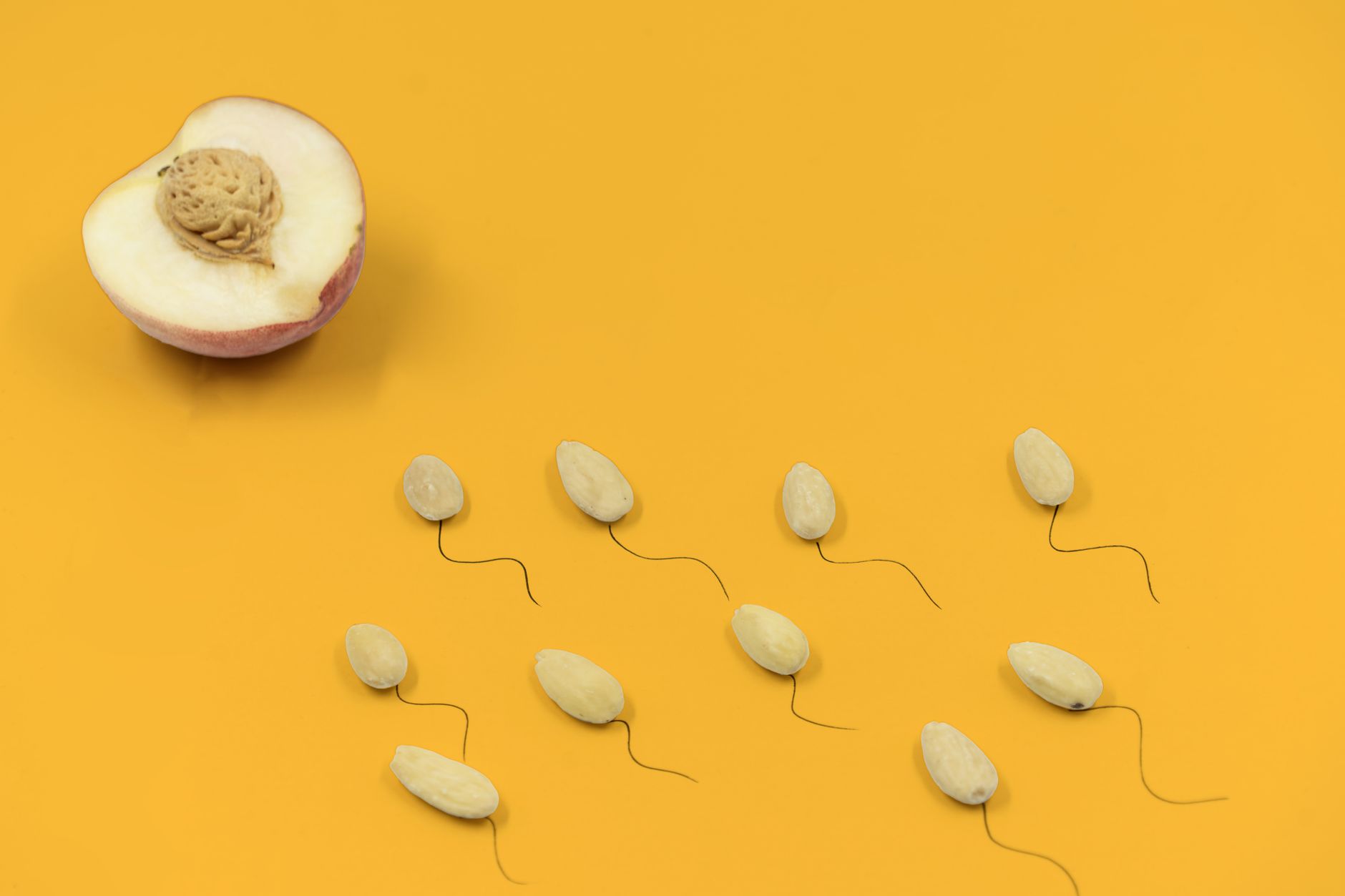
What Is Kisspeptin? Role in Hormones & Reproductive Health

What Is Kisspeptin? Role in Hormones & Reproductive Health
Kisspeptin is a naturally occurring peptide hormone that plays a central role in regulating the reproductive endocrine axis. It helps control the release of gonadotropin-releasing hormone (GnRH), which subsequently influences hormonal cascades involved in puberty and reproductive physiology. Current peer-reviewed research is also investigating kisspeptin pathways in the context of reproductive endocrinology and related disorders, but findings should be interpreted as scientific evidence—not as medical guidance for any individual.
Understanding kisspeptin’s function provides insights into how reproductive and hormonal systems are regulated. Whether you’re a healthcare professional, a student of endocrinology, or simply curious about human biology, this guide summarizes key concepts and research directions. For questions about symptoms, fertility, hormones, or testing, readers should consult a licensed healthcare provider.
Table of Contents
- Introduction to Kisspeptin: A brief overview
- The biology of kisspeptin: How it works
- Kisspeptin and its role in reproductive health
- Potential medical applications of kisspeptin
- Common myths and misconceptions about kisspeptin
- Current research and future directions
- How kisspeptin relates to hormonal therapies
Introduction to Kisspeptin: A Brief Overview
Kisspeptin is a peptide hormone primarily produced in regions of the hypothalamus involved in endocrine control. First characterized in the 1990s, it was initially discussed in relation to cancer biology and the KISS1 gene. It later became widely recognized for its role in regulating GnRH release.By influencing GnRH signaling, kisspeptin participates in the neuroendocrine regulation of puberty and reproductive function. Research summarized in biomedical literature (including sources indexed in the National Library of Medicine) has described kisspeptin as one of several neuroendocrine signals that can integrate internal and external cues (such as energy status) with reproductive axis activity.
---

The Biology of Kisspeptin: How It Works
Kisspeptin acts by stimulating GnRH neurons in the hypothalamus, which promotes secretion of luteinizing hormone (LH) and follicle-stimulating hormone (FSH) by the pituitary gland. These downstream hormones are involved in processes such as:- Ovarian follicle development in women
- Spermatogenesis in men
- Key phases of pubertal development for both sexes
In research contexts, alterations in kisspeptin signaling have been associated with changes in reproductive axis function. Scientific literature also discusses how environmental and physiological cues—including low energy availability and stress—can influence neuroendocrine pathways that may include kisspeptin-GnRH signaling. These observations are part of an evolving evidence base and are not a substitute for medical evaluation of delayed puberty, infertility, or other health concerns.
A 2016 study published in Nature Communications reported that kisspeptin neurons can relay signals connected to leptin, a hormone linked to energy stores. This line of research is frequently used to explore why disruptions in energy balance may coincide with altered reproductive axis signaling.
---
Kisspeptin and Its Role in Reproductive Health
A major focus of kisspeptin research is how it contributes to reproductive axis timing and coordination, in part through modulation of GnRH pulsatility.Key roles include:
- Puberty initiation: Kisspeptin signaling is associated with activation of GnRH secretion, which is part of the neuroendocrine transition into puberty.
- Ovulatory cycles in women: Studies have explored changes in kisspeptin signaling across the menstrual cycle and how this relates to upstream regulation of LH and FSH secretion.
- Spermatogenesis: In men, kisspeptin is studied for its role in regulating the hypothalamic–pituitary–gonadal axis, including downstream effects on LH and testosterone regulation.
When reviewing clinical and translational studies, kisspeptin-based interventions have been compared with other established triggers of gonadotropin release (including hCG in certain assisted reproduction protocols) to understand physiologic differences in hormone release patterns. These studies are conducted under ethics oversight and clinical supervision. Another internal link to learn more about peptides assisting reproductive health is How Does BPC-157 Work? Science, Benefits, and Safety Explained.
---

Potential Medical Applications of Kisspeptin
Beyond its naturally occurring role in hormone regulation, kisspeptin signaling is being investigated in clinical and translational research as a potential diagnostic or therapeutic-adjacent target. Areas discussed in the literature include:For example, research from the National Institutes of Health (NIH) supports ongoing investigation into kisspeptin-based testing paradigms and their potential diagnostic value in differentiating hypothalamic versus primary gonadal dysfunction. Anyone considering evaluation for hormonal or reproductive concerns should consult a licensed healthcare provider for appropriate testing and interpretation.
---
Common Myths and Misconceptions About Kisspeptin
Despite increasing awareness, several misconceptions about kisspeptin persist. Let’s tackle a few:- "Kisspeptin only matters during puberty." Research indicates kisspeptin signaling is involved across the lifespan as part of reproductive axis regulation.
- "It’s just another fertility treatment." Kisspeptin is primarily a physiological signaling molecule; clinical uses, where studied, are experimental and context-dependent rather than broadly established.
- "It’s a synthetic hormone." Kisspeptin is endogenous in humans; synthetic analogs may be used in research contexts to probe physiology.
---
Current Research and Future Directions
Emerging studies examine kisspeptin biology beyond reproduction. Scientists are investigating kisspeptin’s:A 2024 piece in Scientific American discussed hypotheses about kisspeptin’s relationship to energy balance pathways, reflecting ongoing scientific interest in how neuroendocrine signals integrate metabolism and reproduction. As with all early-to-mid stage research, these ideas require careful validation and should not be interpreted as proven clinical applications.
---
How Kisspeptin Relates to Hormonal Therapies
People researching hormonal biology may encounter kisspeptin analogs mentioned in scientific literature and clinical trial registries. In these contexts, compounds are studied to model or probe kisspeptin’s role in upstream regulation of reproductive hormones.In research reviews of clinical material, kisspeptin interventions are often discussed alongside LH dynamics and other reproductive hormone markers to understand endocrine responses under controlled conditions. This content is provided for general education; decisions about any medical therapy should be made with a licensed healthcare provider.
> For additional context, check out our article on Tesamorelin Reviews: Benefits, Side Effects, & User Insights.
---
Key Takeaways
- Kisspeptin is a key hormone regulating reproductive axis signaling by stimulating GnRH activity.
- It plays pivotal roles in puberty, fertility-related physiology, and ovulatory cycle signaling.
- Researchers are investigating kisspeptin pathways in infertility-associated endocrine patterns and certain hormonal disorders.
- Current research also explores connections to stress biology and energy balance pathways.
- Clarifying common myths helps separate established physiology from early or experimental research.
Frequently Asked Questions
What is the primary function of kisspeptin?
Kisspeptin is an upstream regulator of GnRH neuron activity, which influences reproductive hormone secretion (including LH and FSH) as part of hypothalamic–pituitary–gonadal axis physiology.Is kisspeptin used in fertility treatments?
Kisspeptin and kisspeptin analogs have been studied in clinical research settings related to reproductive endocrinology, including infertility-associated endocrine patterns. These investigations are experimental and performed under clinical supervision; individuals with fertility concerns should consult a licensed healthcare provider.How does kisspeptin affect puberty?
Research links kisspeptin signaling to activation of GnRH secretion, a key step in the neuroendocrine processes associated with pubertal onset.Can low kisspeptin levels cause health problems?
Scientific literature associates altered kisspeptin signaling with conditions such as delayed puberty and hypogonadotropic hypogonadism, but clinical interpretation depends on broader endocrine evaluation. Anyone concerned about puberty timing, fertility, or hormonal symptoms should consult a licensed healthcare provider.How is kisspeptin linked to energy balance?
Studies suggest kisspeptin neurons can interact with metabolic signals such as leptin, supporting research into how energy availability and reproductive axis signaling may be connected.---