How Does BPC-157 Work? Science, Benefits, and Safety Explained

How Does BPC-157 Work? Science, Benefits, and Safety Explained
BPC-157 is a synthetic peptide fragment derived from a protective protein found in gastric juice. It is widely discussed in scientific and online wellness circles because preclinical research has explored how it may interact with biological repair pathways (for example, pathways involved in blood-vessel formation, inflammatory signaling, and connective-tissue remodeling). However, research is ongoing, much of the published work is preclinical, and BPC-157 is not FDA-approved for therapeutic use.
Understanding how BPC-157 is studied can help readers interpret the current evidence and its limitations. This article summarizes proposed mechanisms and research directions based on available peer-reviewed findings, and it distinguishes scientific discussion from any implication of personal medical use. For personal health questions, readers should consult a licensed healthcare provider.
Table of Contents
- Introduction to BPC-157: What It Is & Why It's Popular
- The Science Behind BPC-157: Mechanisms of Action
- Potential Benefits of BPC-157: Healing, Recovery, and Beyond
- How BPC-157 Interacts with the Body's Natural Processes
- Is BPC-157 Safe? Risks and Precautions to Consider
- Key Takeaways
- Frequently Asked Questions
Introduction to BPC-157: What It Is & Why It’s Popular
BPC-157, sometimes expanded as “Body Protection Compound,” is a peptide fragment originating from a protein associated with gastric juice. In the literature, it is typically described as a synthetically produced research peptide that has been investigated in experimental models for its effects on tissue-related pathways.
Its popularity largely reflects early-stage and preclinical findings (often in cell and animal models) that examine whether it influences processes relevant to tissue repair, inflammatory signaling, and gastrointestinal integrity. It is important to separate this research interest from clinical evidence: robust human clinical data are limited, and the compound is not approved as a drug.
> Pro Tip: Although anecdotal discussions about BPC-157 are common online, peer-reviewed clinical evidence is the appropriate standard for evaluating medical claims. For personal medical decisions, consult a licensed healthcare provider.

The Science Behind BPC-157: Mechanisms of Action
Research on BPC-157 focuses on how it may affect cellular and molecular pathways involved in injury response and tissue remodeling. Proposed mechanisms described in preclinical studies include:
1. Stimulates Angiogenesis
Angiogenesis is the formation of new blood vessels, a process often studied in relation to tissue repair. Some preclinical studies report that BPC-157 is associated with changes in signaling related to growth factors such as VEGF (vascular endothelial growth factor). These findings are part of mechanistic research and do not, on their own, establish clinical outcomes in humans.2. Reduces Inflammation
Inflammation is a complex immune response that can be helpful or harmful depending on timing and context. In experimental models, BPC-157 has been described as modulating inflammatory mediators (including cytokine-related signaling). Translating these observations into clinically meaningful effects requires controlled human research.3. Enhances Collagen Production
Collagen biology is frequently investigated in connective-tissue research. Some studies in experimental settings have examined whether BPC-157 influences fibroblast activity and collagen-related remodeling. These mechanistic signals are often discussed in the context of tendon/ligament models, but they remain investigational.Peer-reviewed biomedical publications discuss these pathways as hypotheses supported mainly by preclinical data. Claims about therapeutic effectiveness in humans require well-designed clinical trials.
Potential Benefits of BPC-157: Healing, Recovery, and Beyond
BPC-157 has attracted research interest due to hypotheses about how it might influence tissue-related processes. The points below reflect research directions and preclinical observations—not proven health benefits in people.
Healing Soft Tissue Injuries
Animal and other preclinical studies have explored whether BPC-157 affects markers associated with wound repair and connective-tissue remodeling (for example, in tendon/ligament injury models). These findings may inform future research questions, but they do not establish that similar outcomes occur in humans.Gastrointestinal Protection
Because BPC-157 is derived from a gastric-protein fragment, some experimental work has examined whether it influences gastric mucosal integrity or injury models relevant to ulcer research. These are investigational findings, and human evidence remains limited.Neurological Benefits
There are early-stage studies evaluating whether BPC-157 affects pathways related to oxidative stress and neuroinflammatory signaling in experimental models. This area remains preliminary; clinical relevance for humans is not established without controlled trials.> Editorial note: Interest in BPC-157 often stems from the breadth of biological pathways studied (connective tissue, gastrointestinal models, and neurological signaling). Breadth of study is not the same as proven clinical utility.

How BPC-157 Interacts with the Body’s Natural Processes
BPC-157 is generally studied as a compound that may influence multiple cellular pathways involved in injury response. In the research literature, discussions often include:
- Wound Healing: Experimental models have evaluated associations with angiogenesis-related signaling and collagen-related remodeling.
- Inflammation Regulation: Studies describe potential modulation of inflammatory mediators, which researchers investigate to understand broader immune-response dynamics.
- Systemic Balance: Some research discusses signaling networks that connect gastrointestinal physiology and broader neuroimmune communication (sometimes framed as gut–brain axis research), though this remains an evolving area.
Case Example: Tendon Tear Recovery
In rat studies, BPC-157 has been investigated for effects on tendon-injury models, including measurements related to fibroblast activity and inflammatory markers. These results are specific to the experimental conditions in animals. Anecdotal human reports are not a substitute for controlled clinical trials and should not be used to infer safety or effectiveness.Is BPC-157 Safe? Risks and Precautions to Consider
Safety conclusions require adequate human data. While some publications describe tolerability signals in experimental contexts, there is not enough high-quality, long-term clinical evidence to characterize safety for human use.
Known Risks
- Unknown Long-Term Effects: Long-term safety data in humans are limited.
- Sourcing Concerns: Mislabeling, contamination, and variable purity are recognized risks in unregulated markets.
- Research Use Only: BPC-157 has not been FDA-approved for therapeutic use in the U.S., and discussions of it should remain within a research context.
Pro Tip
For personal health questions, including questions about peptides discussed online, consult a licensed healthcare provider. For laboratory contexts, follow applicable institutional, regulatory, and safety requirements.Key Takeaways
- BPC-157 is a synthetic peptide fragment derived from a stomach-associated protein and is studied in preclinical research for its potential interactions with pathways related to angiogenesis, inflammatory signaling, and connective-tissue remodeling.
- Current evidence is largely preclinical, with research exploring models relevant to soft tissue injury, gastrointestinal integrity, and neurological signaling; clinical significance in humans is not established.
- BPC-157 is not FDA-approved for therapeutic use, and product quality and labeling can vary widely in unregulated markets; personal medical decisions should be discussed with a licensed healthcare provider.
Frequently Asked Questions
What is BPC-157?
BPC-157 is a synthetic peptide fragment derived from a protective protein associated with gastric juice. It is primarily discussed in the scientific literature in the context of experimental (often preclinical) research on tissue-related pathways.How does BPC-157 promote healing?
In preclinical research, BPC-157 is hypothesized to influence biological processes associated with tissue repair—such as angiogenesis-related signaling, collagen/fibroblast activity, and inflammatory mediator modulation. These mechanistic findings do not confirm clinical healing outcomes in humans.Is BPC-157 safe for human use?
BPC-157 is not FDA-approved for human therapeutic use, and robust long-term human safety data are limited. For personal medical questions, consult a licensed healthcare provider.Can BPC-157 help gut health?
Preclinical studies have investigated whether BPC-157 affects markers of gastrointestinal mucosal integrity in experimental models. Human evidence is limited, so clinical conclusions about “gut health” effects cannot be drawn from preclinical data alone.Why is sourcing BPC-157 carefully important?
Unregulated products may be mislabeled or contaminated, and purity can vary. In any context where chemicals are handled, quality controls and appropriate safety standards matter.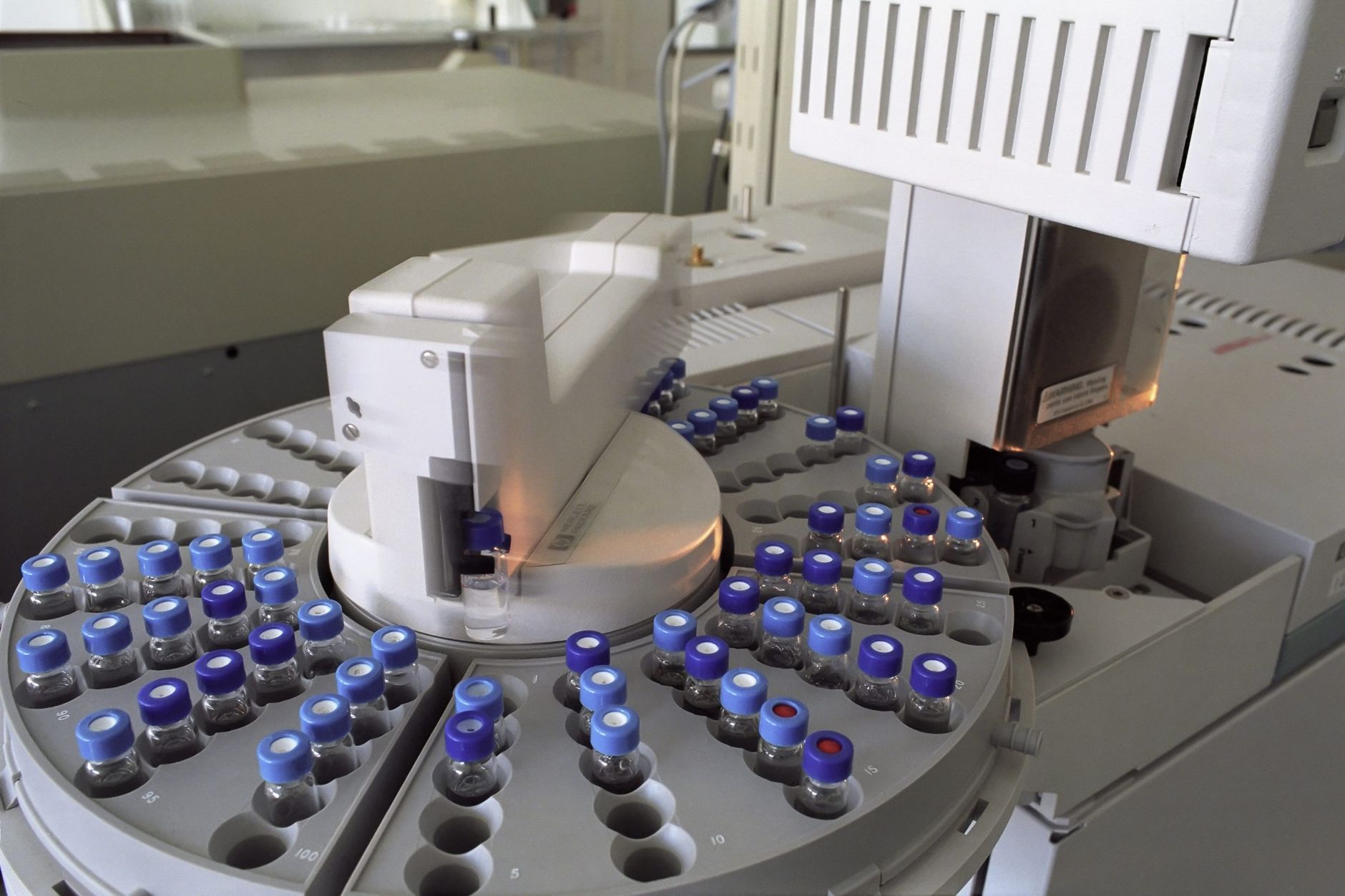
Conclusion
The question “how does BPC-157 work?” is best answered through the lens of experimental biology. Peer-reviewed preclinical research explores whether BPC-157 influences pathways related to blood-vessel formation, inflammatory signaling, and connective-tissue remodeling, as well as gastrointestinal and neurological models. However, these findings do not establish medical benefits or safety in humans, and BPC-157 is not FDA-approved for therapeutic use. Readers with personal health questions should consult a licensed healthcare provider.