TB-500: Benefits, Science, and Safe Sourcing Explained

TB-500: Benefits, Science, and Safe Sourcing Explained
TB-500 is a synthetic peptide commonly described as an analogue or fragment related to the naturally occurring protein thymosin beta-4. In scientific contexts, TB-500 has been explored in pre-clinical research models for how it may influence cellular processes involved in tissue remodeling, inflammatory signaling pathways, and repair-related mechanisms. This guide summarizes what the peer-reviewed literature and standard laboratory practices generally discuss about TB-500, along with considerations for responsible, compliant sourcing.
TB-500 is frequently discussed online by fitness enthusiasts and “biohacking” communities, but this article focuses on research-only context. TB-500 is not FDA-approved for treating or preventing disease, and it should not be represented or used as a drug, supplement, or medical therapy. For questions involving health conditions or medications, readers should consult a licensed healthcare provider.
Table of Contents
- What is TB-500?
- Key benefits of TB-500: healing, recovery, and more
- How TB-500 works in the body: a science-based look
- Safe usage guide: dosage, side effects, and precautions
- Where to buy TB-500: choosing a trustworthy source
- Legal considerations and regulatory status of TB-500
- Testimonials and real-life experiences with TB-500
- FAQs About TB-500: Answering Common Concerns
What is TB-500?
TB-500 is a synthetic peptide associated with thymosin beta-4, a protein found broadly across many cell types. In the peer-reviewed pre-clinical literature, thymosin beta-4–related peptides have been investigated for their roles in cellular migration, cytoskeletal dynamics, and signaling relevant to tissue remodeling. TB-500 is often studied in laboratory and pre-clinical settings to better understand mechanisms that may be relevant to injury biology (for example, in muscle and connective tissue models) and inflammatory pathways.
A commonly referenced mechanistic feature in this research area is interaction with actin, a key cytoskeletal protein involved in cellular structure and movement. Importantly, TB-500 is intended strictly for laboratory and research use, and discussion of its biology should not be interpreted as evidence of clinical effectiveness in humans.

Key benefits of TB-500: healing, recovery, and more
In scientific and technical writing, the term “benefits” can be misleading when a compound has not been established as safe or effective in humans. The points below are therefore framed as research themes and observed effects in experimental models reported across parts of the pre-clinical literature—not as outcomes any person should expect.
1. Accelerated muscle recovery and repair
Some pre-clinical research discusses thymosin beta-4–related peptides in the context of cellular repair processes (for example, changes in cytoskeletal organization and cell migration) that are relevant to how tissues respond after injury. These findings are typically limited to experimental systems and do not establish clinical efficacy or “recovery” outcomes in people.
2. Reduced inflammation
Inflammation-related signaling (including cytokine activity) is a common research focus for thymosin beta-4–associated pathways. Certain studies in experimental models have examined whether these pathways may modulate inflammatory responses under specific laboratory conditions. This does not demonstrate that TB-500 reduces inflammation in humans or treats inflammatory disease.
3. Enhanced flexibility and range of motion
Some pre-clinical discussions speculate about connective-tissue remodeling and cellular migration as potential contributors to tissue mechanical properties in experimental settings. However, measures like “flexibility” or “range of motion” are clinical/functional endpoints and should not be implied as outcomes from TB-500 use. Current evidence in this area is not a substitute for human clinical trial data.
> Pro Tip: Interested in peptides as a research topic? Read our detailed guide on muscle growth peptides to explore how peptides are discussed in laboratory contexts.
4. Potential support for cardiovascular function
Some early-stage research on thymosin beta-4–related biology has examined tissue remodeling pathways that could be relevant to cardiovascular models (for example, experimental cardiac injury models). These are preliminary lines of investigation and should not be interpreted as evidence that TB-500 supports cardiovascular function in humans.
Expert Insight: When reviewing peptide research, it’s common to see broad mechanistic hypotheses (for example, cytoskeletal effects and cellular signaling) proposed to explain observations in experimental systems. These hypotheses require careful validation and do not establish therapeutic use.
How TB-500 works in the body: a science-based look
TB-500 is discussed in relation to thymosin beta-4–associated mechanisms. Commonly cited research concepts include:
- Actin Binding: Thymosin beta-4 is known to bind actin and influence cytoskeletal dynamics. Research discussions around TB-500 often center on whether similar interactions could affect cell movement and organization in experimental settings.
- Angiogenesis: Some studies (primarily pre-clinical) evaluate angiogenesis-related signaling as part of broader tissue remodeling and repair biology. Observations in models do not confirm clinically meaningful effects in people.
- Cell Migration: Experimental work frequently focuses on whether relevant cell types (for example, fibroblast-associated behaviors in model systems) show altered migration under specific study conditions.
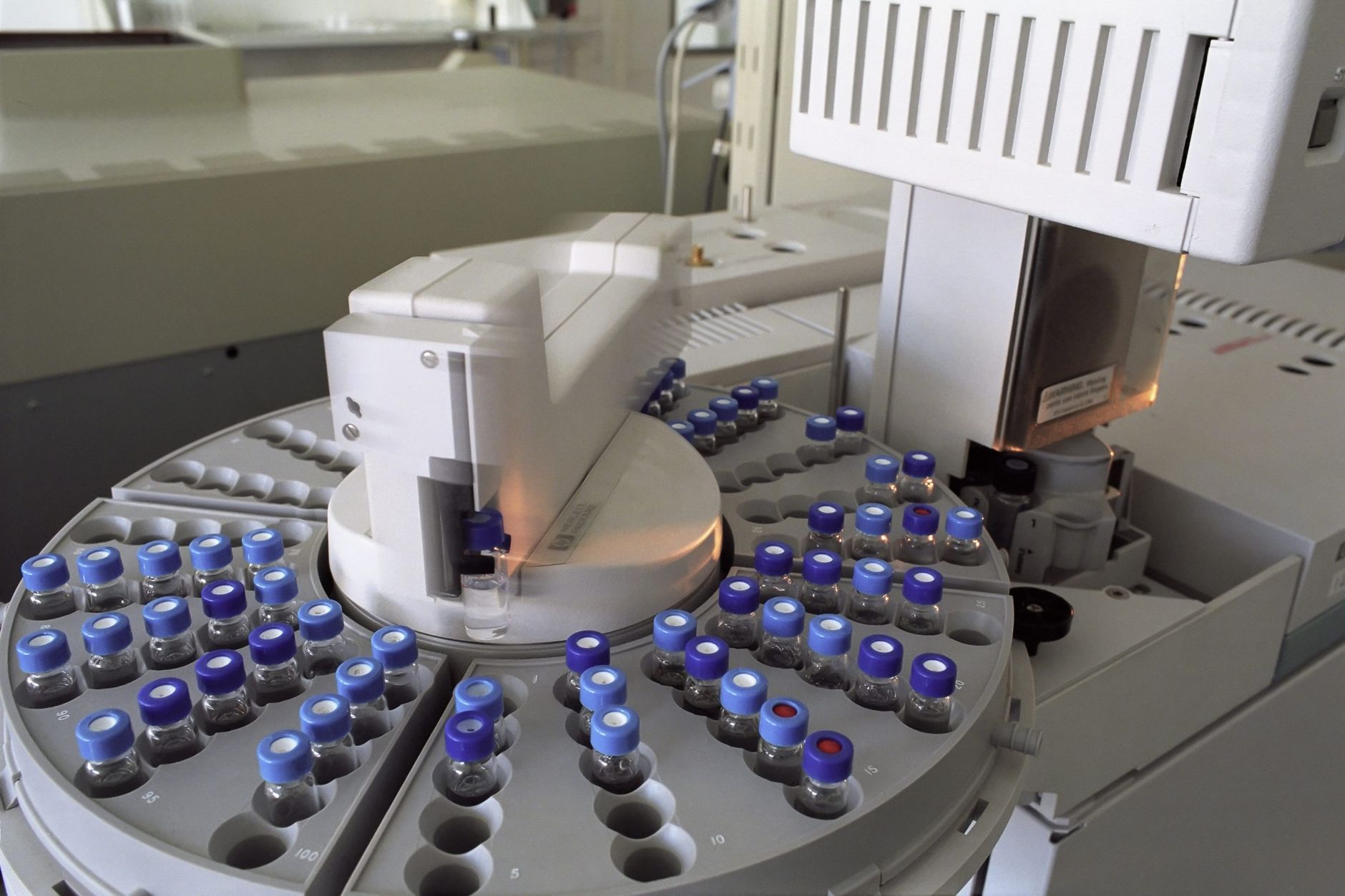
Safe usage guide: dosage, side effects, and precautions
Because TB-500 is not FDA-approved for human use and is marketed as a research compound, this section is limited to high-level laboratory handling and quality considerations. It does not provide dosing, administration, or personal-use guidance.
Common side effects
Human “side effects” cannot be reliably characterized without adequate clinical trial evidence. Online reports of injection-site irritation, fatigue, or nausea are anecdotal and should not be treated as established safety data.
Safety Precautions
- Follow institutional biosafety policies, SOPs, and applicable regulations for handling research peptides.
- Use appropriate sterile technique and contamination controls where required by protocol.
- Document materials, lot numbers, and storage conditions in accordance with lab quality systems.
Where to buy TB-500: choosing a trustworthy source
If a laboratory is sourcing TB-500 for legitimate research purposes, quality and documentation are central considerations. Common indicators of a reputable research supplier include:
> For trustworthy insights into peptide sourcing, see our article on safe purchasing of TB-500.
Legal considerations and regulatory status of TB-500
TB-500 is not approved by the U.S. Food and Drug Administration (FDA) for human use. It is commonly sold as a research compound, and it should be marketed, purchased, and used only for legitimate laboratory research purposes.
Misrepresenting TB-500 as a medical treatment, dietary supplement, or product intended for human consumption may violate applicable laws and regulations. Laboratories should also review state, federal, and institutional requirements before procuring or working with research peptides.
Testimonials and real-life experiences with TB-500
Anecdotes, “before-and-after” stories, and forum claims are not substitutes for controlled, peer-reviewed scientific evidence. To keep discussion evidence-based, this article does not rely on user testimonials or informal reports to describe outcomes. Readers evaluating TB-500 as a research topic should prioritize peer-reviewed studies, model relevance, study design quality, and reproducibility.
Key Takeaways
- TB-500 is a synthetic peptide associated with thymosin beta-4 and discussed in pre-clinical research on tissue remodeling and related cellular pathways.
- Mechanistic topics commonly include actin-related cytoskeletal dynamics, angiogenesis signaling, and cell migration in experimental models.
- Human safety and efficacy are not established; TB-500 is not FDA-approved for human use.
- Research sourcing should emphasize third-party testing documentation (such as COAs) and transparent quality practices.
- TB-500 remains classified for research use only, and it should not be represented as a medical product.
Frequently Asked Questions
What is TB-500 used for?
TB-500 is used in laboratory and pre-clinical research to explore thymosin beta-4–related biological pathways, including cellular processes involved in tissue remodeling and inflammatory signaling in experimental models. It is not an FDA-approved drug for treating medical conditions.Is TB-500 legal in the USA?
TB-500 may be sold and purchased for legitimate laboratory research purposes in the United States when appropriately labeled and marketed as research use only. It is not FDA-approved for human consumption or medical treatment.What are the known side effects of TB-500?
Well-characterized side effects in humans are not established without adequate clinical trials. Online mentions of effects such as irritation, fatigue, or nausea are anecdotal and should not be treated as confirmed safety findings.Where can I buy high-quality TB-500?
Labs typically look for suppliers that provide third-party testing reports and transparent manufacturing practices. COAs (Certificates of Analysis) are commonly used to document identity and purity testing.Why is TB-500 classified as a research compound?
TB-500 has not undergone the level of clinical testing required for FDA approval as a medication. As a result, it is generally positioned for evaluation in controlled laboratory and pre-clinical research settings only.
Conclusion
TB-500 is a widely discussed research peptide associated with thymosin beta-4–related biology and is studied in experimental models that examine cellular movement, cytoskeletal dynamics, angiogenesis signaling, and other tissue remodeling mechanisms. Interpreting these findings requires caution: pre-clinical observations do not establish human safety or clinical effectiveness. Researchers should prioritize rigorous study design, compliant handling procedures, and reputable sourcing documentation, and anyone with personal health questions should consult a licensed healthcare provider.