How to Use BPC-157: A Complete Guide for Beginners

How to Use BPC-157: A Complete Guide for Beginners
BPC-157 is a synthetic peptide that appears in the scientific literature primarily through preclinical (non-human) research exploring how certain peptide fragments may interact with biological processes related to tissue integrity and gastrointestinal models. However, BPC-157 is not FDA-approved for human use. Discussions of BPC-157 should be understood as research-focused rather than as medical guidance, and this article is intended for general education about the research landscape.
If you have questions about injuries, gastrointestinal symptoms, inflammation, or any other health concern, only a licensed healthcare provider can evaluate an individual situation. This article does not provide diagnosis, treatment, dosing, or administration instructions.
---
Table of Contents
- What Is BPC-157?
- Potential Benefits of BPC-157
- How to Use BPC-157
- Recommended Dosage Guidelines
- Potential Risks and Side Effects
- Frequently Asked Questions
- Key Takeaways

What Is BPC-157?
BPC-157 (often expanded as “Body Protection Compound-157” in secondary sources) is a synthetic peptide fragment that has been investigated in laboratory and animal models. It is commonly described as being related to peptides derived from proteins found in gastric juice, though the commercial compound itself is manufactured rather than extracted for research use.
Peer-reviewed research (often indexed via resources connected to organizations like the NIH and published across various journals accessible through platforms such as Nature) has examined BPC-157 in experimental models involving damaged tissues (for example, muscle, tendon, and intestinal lining models). These findings are preclinical and do not establish clinical outcomes, safety, or effectiveness in humans.
---
Potential Benefits of BPC-157
In the context of preclinical research, BPC-157 has been studied for mechanisms and outcomes that researchers sometimes describe in terms such as:
- Tissue repair models: Experimental work has explored outcomes in models involving muscle, ligament/tendon, and skin injury.
- Gastrointestinal models: Some studies evaluate effects in laboratory models relevant to the stomach or intestinal lining.
- Inflammation-related pathways: Certain experiments assess changes in inflammatory markers or processes in controlled settings.
---
How to Use BPC-157
Because BPC-157 is not approved for human use, this article does not provide instructions for self-administration (including injection technique, reconstitution steps, “cycle” planning, or other how-to guidance). Providing such instructions could encourage unsafe use and would be inappropriate for an educational overview.
From a research-compliance standpoint, “use” should be understood as:
- handling and storing materials according to supplier documentation,
- following institutional laboratory protocols,
- adhering to applicable regulations and safety standards.
Injection Methods
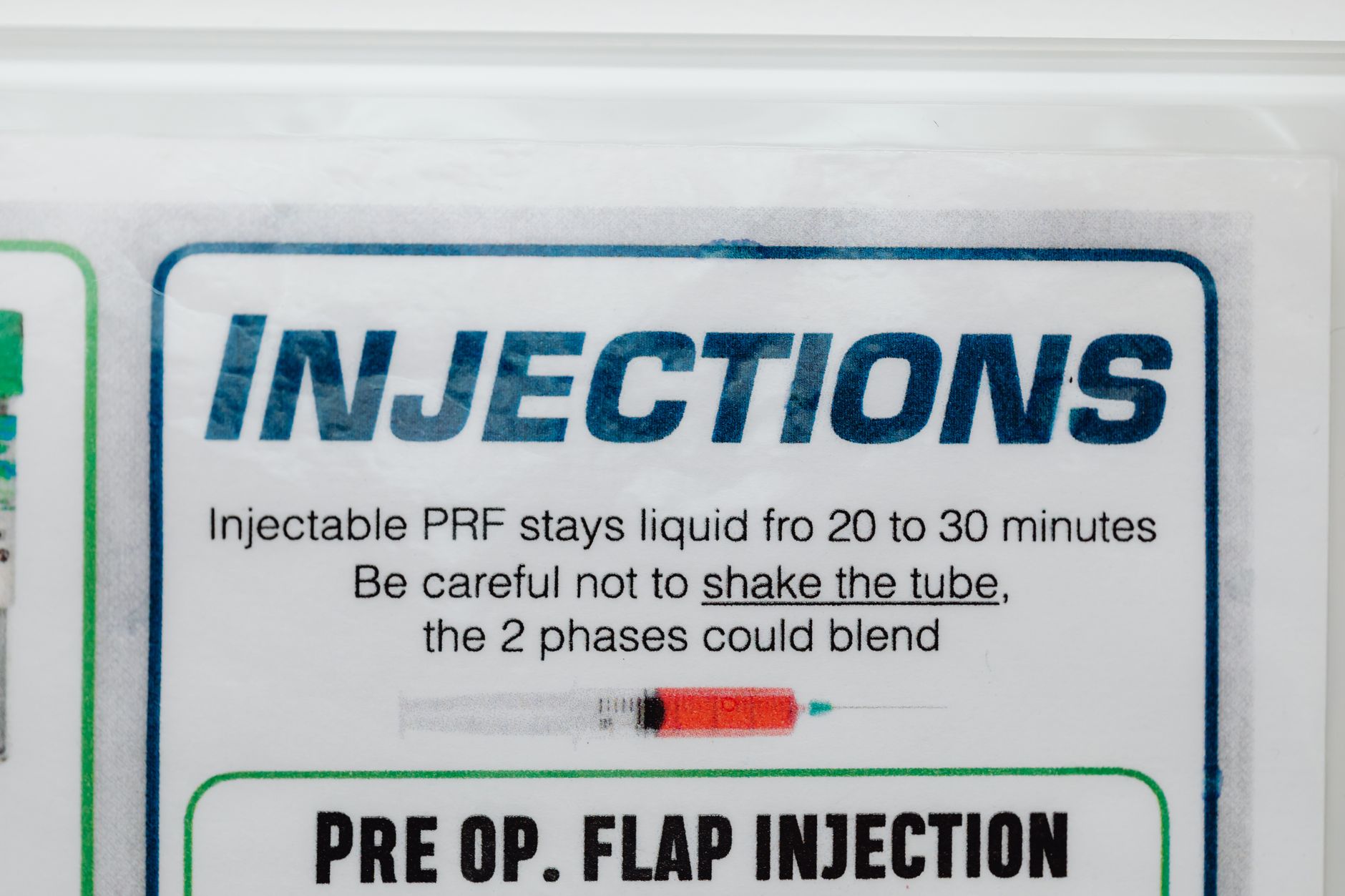
Some non-scientific online discussions describe injection routes, but route-of-administration claims in consumer contexts can be misleading because they imply human use. In peer-reviewed literature, routes and methods depend on the specific experimental model and are not a basis for consumer administration.
Practical Tips
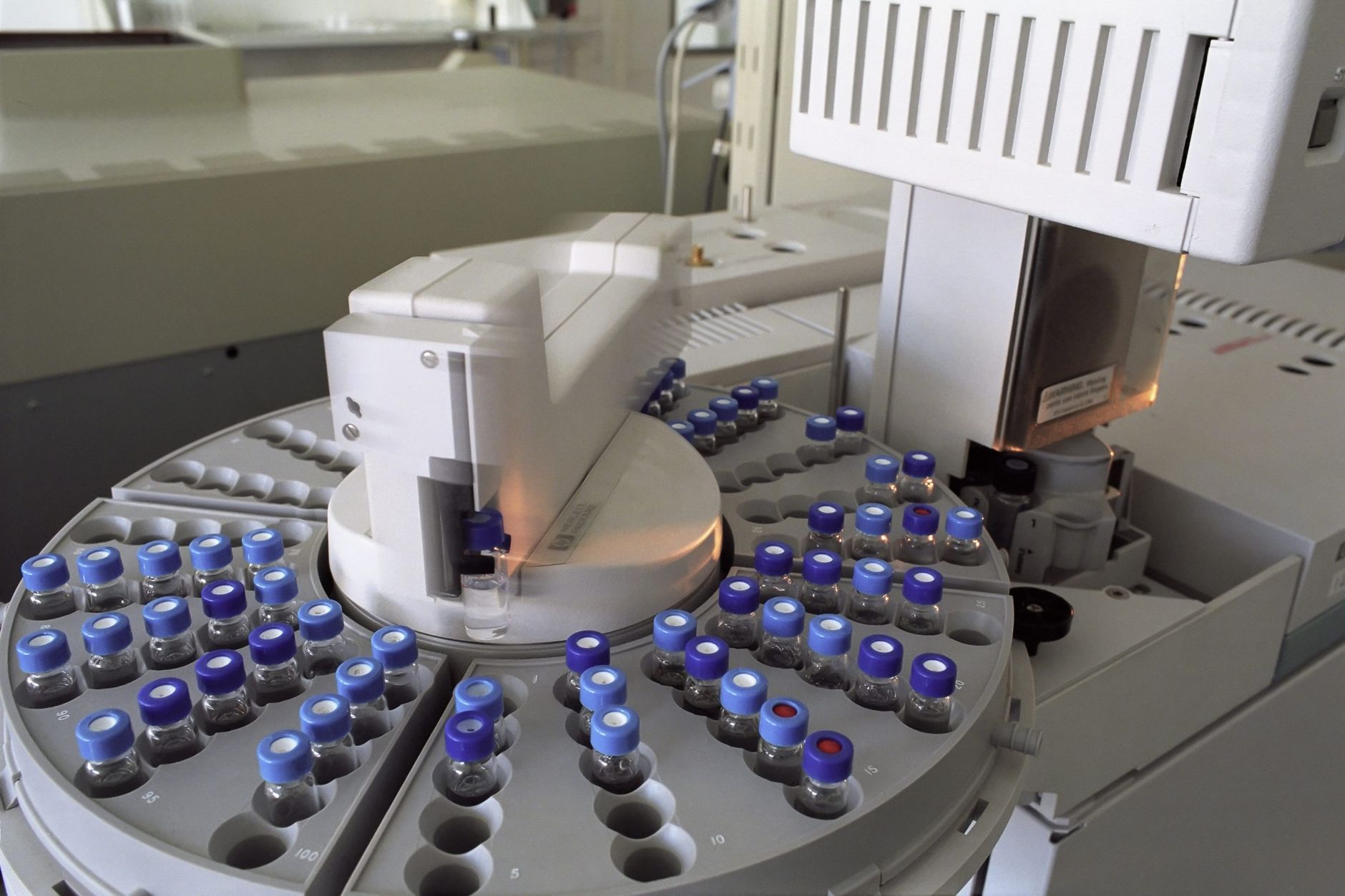
- Use sterile tools (research context): In laboratory environments, sterility and contamination control are essential to preserve experimental validity and reduce biohazards.
- Follow written protocols: Any handling should follow institutional SOPs, safety training, and the supplier’s documentation.
Recommended Dosage Guidelines
Human dosing guidance is not available in the form required to make safe, evidence-based consumer recommendations, because BPC-157 is not an FDA-approved drug and lacks adequate human clinical trial evidence for establishing dosing, safety, or effectiveness.
Some publications and online sources reference amounts used in preclinical experimental designs, but those parameters are specific to controlled laboratory settings and do not translate into instructions for human use.
If you are seeking medical care for an injury, gastrointestinal concern, or other condition, consult a licensed healthcare provider for an individualized evaluation.
The Mayo Clinic is a reputable source for general health and clinical care information; however, any mention of BPC-157 should be interpreted cautiously unless it is specifically supported by clinical evidence and regulatory status.
---
Potential Risks and Side Effects
Because BPC-157 is not approved for human use and lacks robust clinical safety data, the full risk profile in humans is not established. Still, it is useful to understand general categories of risk that can arise when unapproved compounds are handled or used outside clinical research:
- Unknown safety profile: Absence of adequate human trials means adverse effects may be unrecognized.
- Product quality concerns: Purity, identity, and contamination risk can vary across suppliers for research-only materials.
- Route-related risks (if misused): Any non-clinical injection carries risks such as infection and tissue injury.
---
Frequently Asked Questions
What conditions is BPC-157 researched for?
Preclinical research has explored experimental models related to soft-tissue injury and gastrointestinal mucosal integrity, among other topics. Learn more about its science-based benefits in our BPC-157 safety guide.
Can I take BPC-157 orally?
In the scientific literature, different experimental models may use different routes of administration. However, because BPC-157 is not approved for human use and lacks established clinical dosing and safety, this article does not recommend or describe taking it by any route. Discuss personal health questions with a licensed healthcare provider.
Is BPC-157 legal in the USA?
BPC-157 is commonly sold as a research compound and is not FDA-approved for human use. Regulatory status and enforcement priorities can change, so organizations and individuals should follow applicable laws and guidelines.
Should I refrigerate BPC-157?
Storage requirements depend on the specific product formulation and supplier specifications. For research settings, follow the manufacturer/supplier documentation and applicable laboratory storage standards.
Can athletes legally use BPC-157?
Sports eligibility rules vary by organization, and some substances may be prohibited in competition. Athletes should consult their sport’s governing body and a qualified professional familiar with anti-doping rules.
---
Key Takeaways
- BPC-157 is a synthetic peptide discussed in peer-reviewed literature mainly through preclinical research, and it is not FDA-approved for human use.
- Discussions of BPC-157 should be framed as scientific research context—not as personal medical guidance.
- Human dosing, administration protocols, and “cycles” are not established through adequate clinical evidence and are not appropriate to present as recommendations.
- For any health concern or treatment decision, consult a licensed healthcare professional.
Conclusion
BPC-157 remains a topic of interest in preclinical research, particularly in experimental models related to tissue and gastrointestinal integrity. However, preclinical findings do not establish that it is safe or effective for people, and it is not FDA-approved for human use. Anyone looking for care related to injury recovery, gastrointestinal symptoms, or inflammation should consult a licensed healthcare provider for evaluation and evidence-based options.
---