Top Food High in Vitamin C: Boost Health Naturally
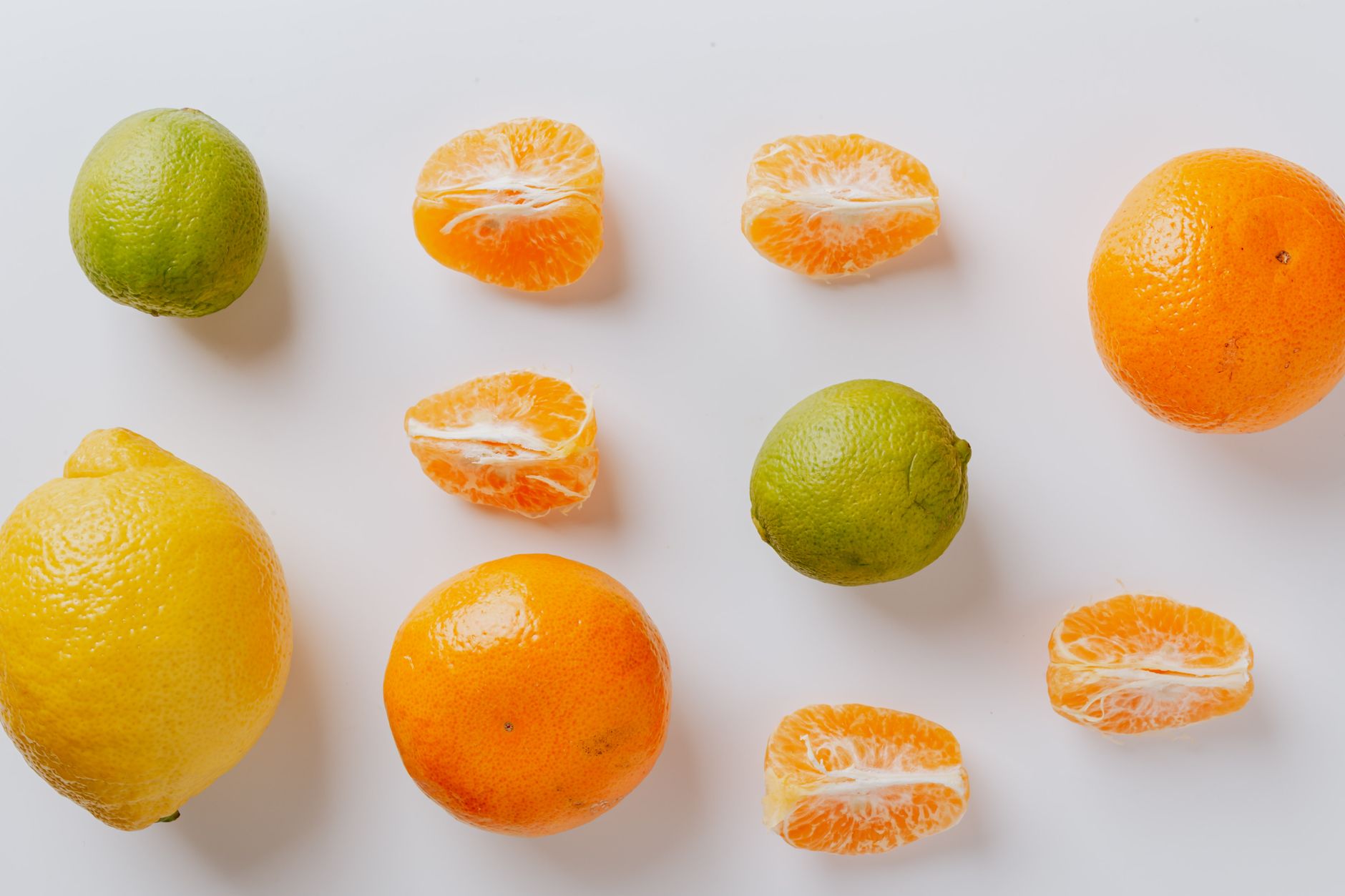
Top Food High in Vitamin C: Boost Health Naturally
Vitamin C (ascorbic acid) is an essential, water-soluble nutrient involved in normal physiological functions such as collagen formation and iron absorption. This article provides general educational information on food sources of vitamin C, including common and lesser-known options, along with meal ideas that can fit a variety of eating patterns.
While supplements are widely available, many people prefer to focus on dietary sources. For personal nutrition needs or questions about deficiency risk, supplementation, or medical conditions, readers should consult a licensed healthcare provider.
---
Table of Contents
- Introduction to Vitamin C and Its Importance
- Why You Should Get Vitamin C from Food vs. Supplements
- Top 15 Foods High in Vitamin C (With Nutritional Values)
- Lesser-Known But Highly Nutritious Foods High in Vitamin C
- Easy Meal Ideas to Incorporate Vitamin C Foods
- Common Myths About Vitamin C Intake
- Key Takeaways
- Frequently Asked Questions
Introduction to Vitamin C and Its Importance
Vitamin C, also known as ascorbic acid, is a water-soluble nutrient that participates in several normal biological processes. It’s commonly discussed in relation to:
- Immune function: Vitamin C contributes to normal immune system function, but it is not a guaranteed way to prevent infections.
- Collagen production: Collagen is a structural protein involved in connective tissues such as skin, cartilage, and tendons.
- Iron absorption: Vitamin C can enhance the absorption of non-heme (plant-based) iron in the diet.
---

Why You Should Get Vitamin C from Food vs. Supplements
Vitamin C supplements can be convenient, but many people choose food sources because foods provide additional nutrients (such as fiber and naturally occurring phytochemicals) alongside vitamin C. For example, oranges provide vitamin C and also contain fiber and various plant compounds.
Evidence on differences in “bioavailability” between food-based and supplemental vitamin C can vary depending on context (dose, formulation, and the rest of the diet). In general, dietary patterns rich in fruits and vegetables are consistently associated with overall diet quality, but this article does not claim that any specific approach will produce particular health outcomes for an individual.
If you’re considering supplements (including high-dose vitamin C) or have a medical condition that affects nutrition, consult a licensed healthcare provider.
---
Top 15 Foods High in Vitamin C (With Nutritional Values)
Here’s a breakdown of foods high in vitamin C, along with approximate vitamin C content per 100g:
These foods are often highlighted because they contain vitamin C plus other nutrients (e.g., fiber and a range of plant compounds). Nutrient levels can vary by variety, ripeness, storage, and preparation.
For a deep dive into vitamin C content, check out our earlier article on the Top Foods That Are Rich in Vitamin C for Better Health.
---
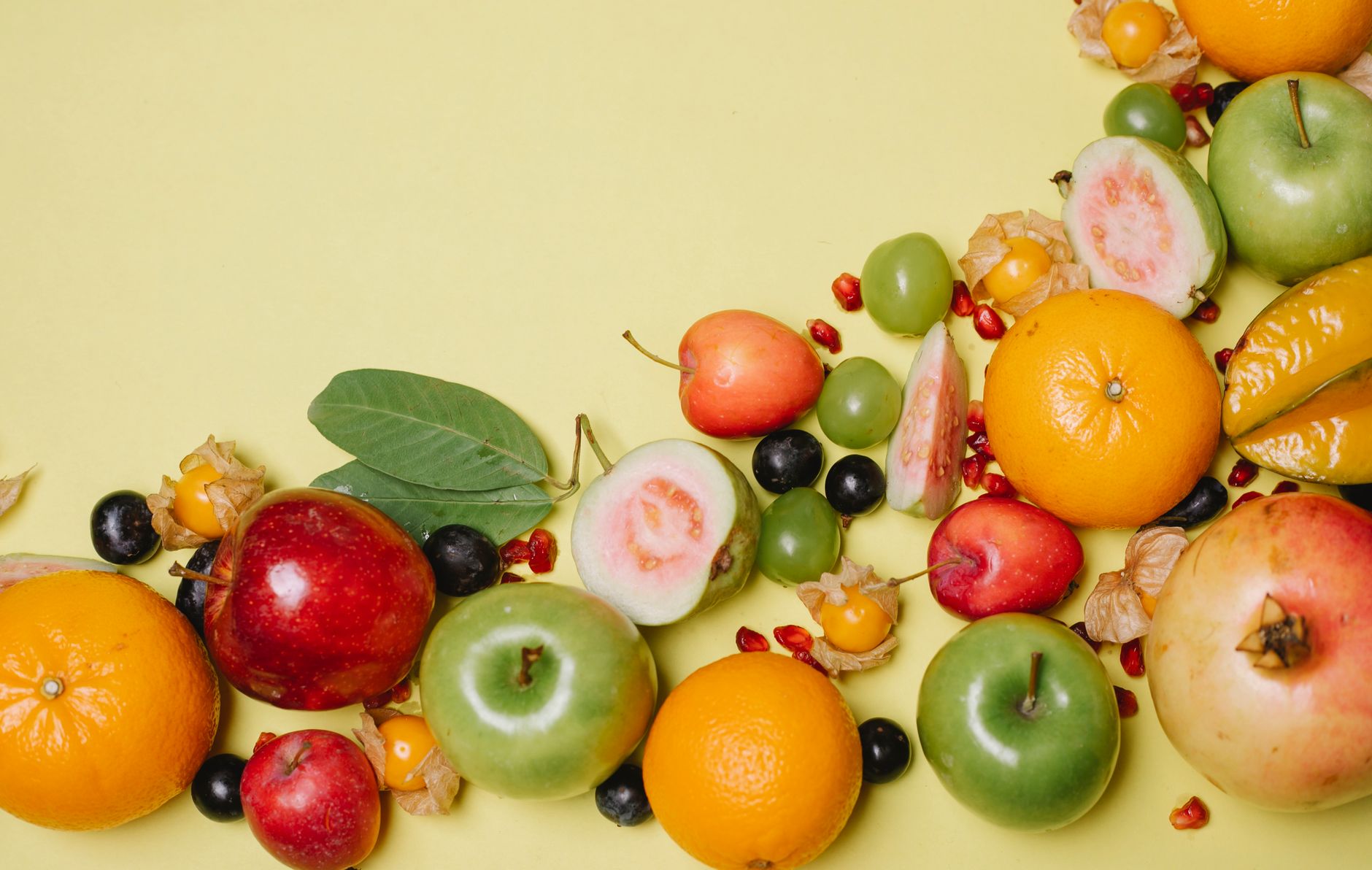
Lesser-Known But Highly Nutritious Foods High in Vitamin C
Beyond common options like citrus fruits, several less-familiar foods can contain notable amounts of vitamin C.
Acerola Cherries
These tropical berries are reported to contain very high vitamin C levels (often cited around 1677mg per 100g, depending on source and preparation). They are sometimes used in culinary applications such as fruit blends or desserts; exact vitamin C intake will depend on serving size and processing.Rose Hips
Rose hips are used in some traditional food and beverage preparations (such as teas). They can contain vitamin C and other plant compounds, though amounts may vary widely based on species and processing.Kakadu Plum
Native to Australia, Kakadu plum is frequently cited in the scientific and food composition literature as having extremely high vitamin C content (values can vary substantially; some references cite up to 5000mg per 100g). It may be available in some markets as a powder or ingredient.Including a mix of well-known and less-common produce can be one way to broaden the range of foods that contribute vitamin C and other nutrients in the overall diet.
---
Easy Meal Ideas to Incorporate Vitamin C Foods
Here are some practical meal ideas that feature foods containing vitamin C:
- Breakfast: Add strawberries or kiwi slices to oatmeal or yogurt. Blend guava with other fruits in a smoothie.
- Lunch: Use red bell peppers, broccoli, and kale in a salad. Pair spinach or tomato soup with whole-grain bread.
- Dinner: Sauté Brussels sprouts and add a squeeze of lemon for flavor.
- Snacks: Combine pineapple cubes, orange slices, and mango chunks in a fruit mix.
---
Common Myths About Vitamin C Intake
1. Vitamin C Prevents Colds
Vitamin C is involved in normal immune function, but it does not reliably prevent colds for most people. Some research suggests regular intake may be associated with modest differences in cold duration or symptom severity in certain populations.2. You Can Store Vitamin C in Your Body
Vitamin C is water-soluble and is not stored in large amounts, so it generally needs to be consumed regularly through diet (and/or supplementation when medically appropriate).3. All Citrus Is Equal
Different citrus fruits—and many non-citrus fruits and vegetables—vary widely in vitamin C content. Foods like guava, bell peppers, and kale can contain higher amounts per 100g than some citrus options.---
Key Takeaways
- Vitamin C is involved in normal immune function, collagen formation, and non-heme iron absorption.
- Foods like red bell peppers, strawberries, and guavas are notable dietary sources of vitamin C.
- Lesser-known options like acerola cherries and Kakadu plums may contribute vitamin C, depending on form and serving size.
- Many people choose vitamin C from foods to also obtain fiber and other nutrients; decisions about supplementation should be discussed with a licensed healthcare provider.
- Myth-busting can help clarify what vitamin C can—and cannot—be expected to do based on current evidence.
Frequently Asked Questions
What is the daily recommended intake of vitamin C?
The recommended daily intake for adults ranges from 65 to 90mg, according to the NIH.Can you overdose on vitamin C from foods?
Excess vitamin C intake from foods is uncommon. High supplemental intakes (above 2000mg/day) may cause adverse effects such as diarrhea in some people. For individualized guidance, consult a licensed healthcare provider.Is vitamin C better absorbed from food or supplements?
Absorption can depend on dose and context. Many people obtain vitamin C through foods that also provide other nutrients, while supplements can be useful in specific situations under clinician guidance.Are there any signs of vitamin C deficiency?
Possible signs can include fatigue, dry skin, and slow wound healing. Severe deficiency can lead to scurvy, though it is uncommon in many settings. If deficiency is a concern, consult a licensed healthcare provider for evaluation.Does cooking destroy vitamin C in food?
Heat and water can reduce vitamin C content in some foods. Preparation methods like steaming and shorter cooking times may help retain more vitamin C, though results vary by food and method.---
Conclusion
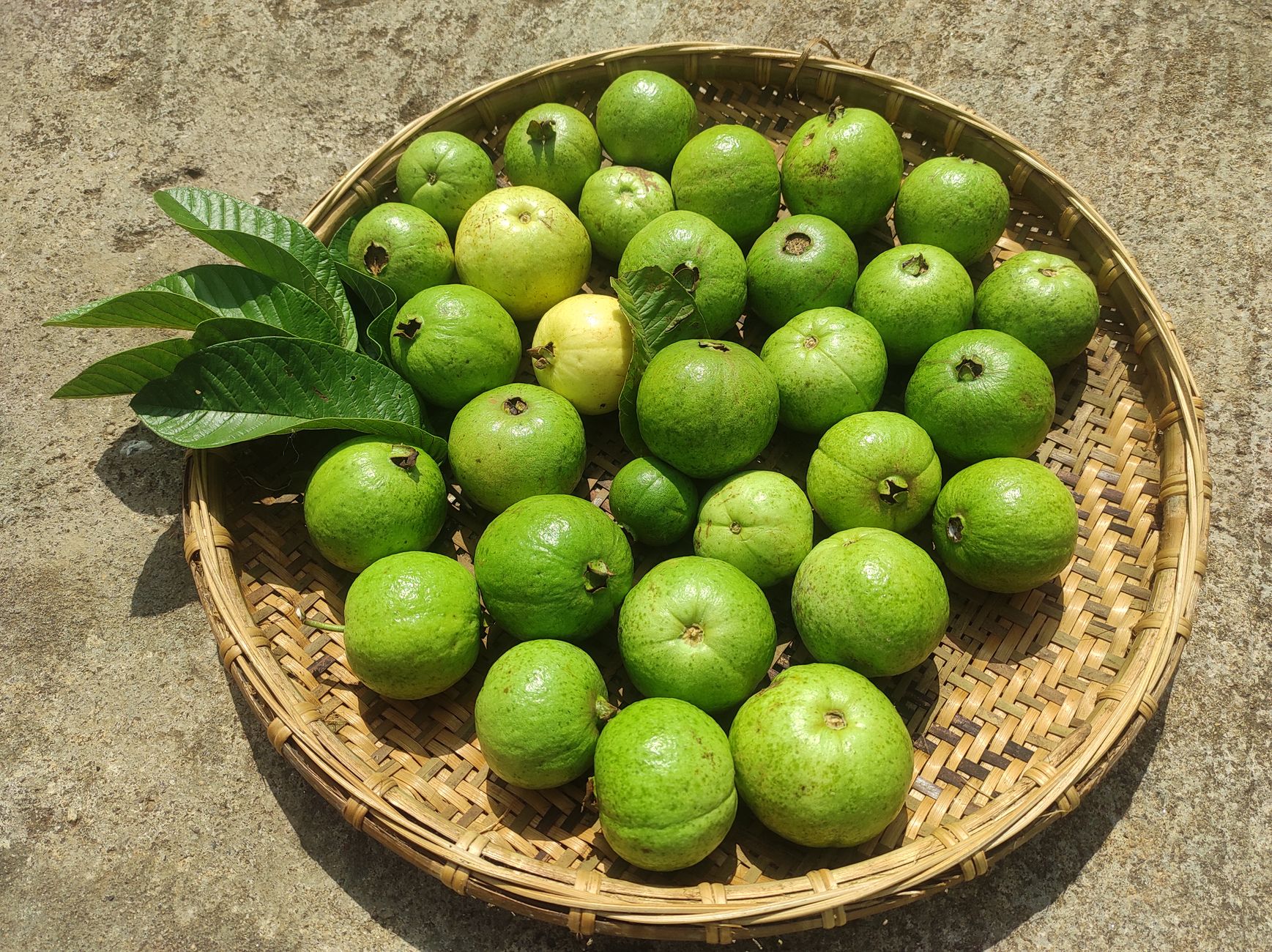
Vitamin C is an essential nutrient, and many fruits and vegetables—such as citrus fruits, bell peppers, and guava—can contribute meaningful amounts. A varied diet that includes vitamin C-containing foods can also provide other nutrients found in whole foods. For personalized advice about vitamin C intake, supplements, or any health concerns, consult a licensed healthcare provider.