Foods High in Vitamin C: Best Sources for Your Diet

Foods High in Vitamin C: Best Sources for Your Diet
Vitamin C (ascorbic acid) is an essential nutrient that humans must obtain from the diet. In scientific literature, vitamin C is studied for its roles in normal physiology—such as acting as a cofactor in certain enzymatic reactions (including collagen-related pathways) and as an antioxidant in biochemical systems. This article reviews common dietary sources of vitamin C, summarizes what research has established at a general level, and offers meal-planning ideas for educational purposes. For questions about your personal nutrition needs or any health concerns, consult a licensed healthcare provider.
Table of Contents
- Why Vitamin C Is Vital for Your Health
- The Best Food Sources of Vitamin C
- Top 15 Vitamin C-Rich Foods to Add to Your Diet
- Health Benefits of Vitamin C Beyond Immunity
- How to Incorporate Vitamin C Foods into Your Meals
- How Vitamin C Foods Compare to Supplements
- Common Myths About Vitamin C and Foods
- Key Takeaways
- Frequently Asked Questions
Why Vitamin C Is Vital for Your Health
Vitamin C, also known as ascorbic acid, is a water-soluble essential nutrient. Humans cannot synthesize it, and the body has limited storage capacity, so regular dietary intake is typically required to maintain normal levels.In peer-reviewed research and major reference sources, vitamin C is described as:
- An antioxidant that can participate in redox reactions.
- A cofactor for enzymes involved in collagen biosynthesis and other metabolic pathways.
- A nutrient relevant to normal immune system function.
The Best Food Sources of Vitamin C
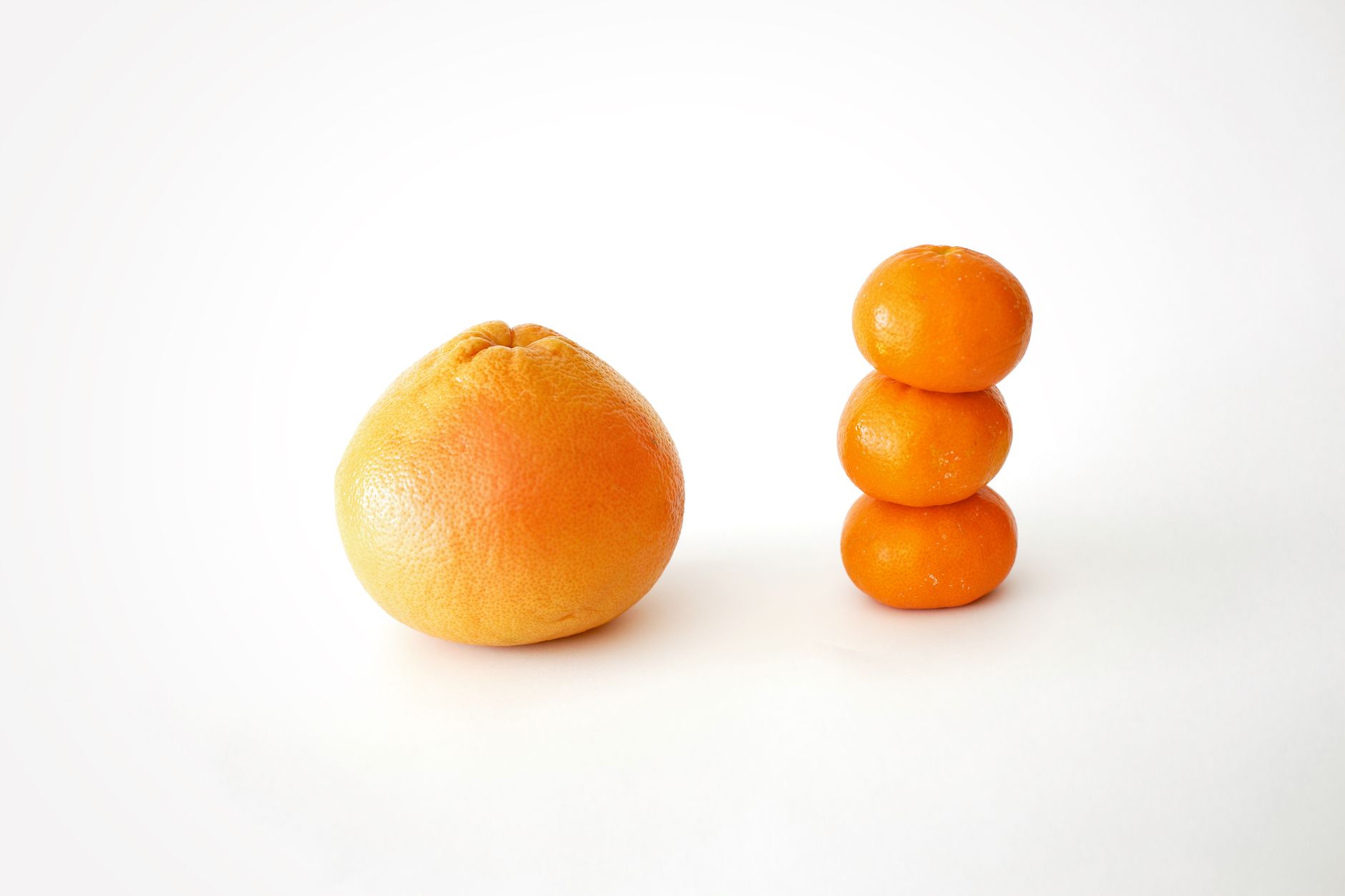
Citrus fruits are well-known sources of vitamin C, but many fruits and vegetables contain meaningful amounts, sometimes exceeding citrus on a per-serving basis. Examples include strawberries, bell peppers, broccoli, and leafy greens.From a nutrition science standpoint, whole fruits and vegetables contribute vitamin C alongside other dietary components (such as fiber and various micronutrients). Vitamin C is also sensitive to heat and oxygen exposure, so food handling and cooking methods can influence measured vitamin C content.
> Pro Tip: Vitamin C content in produce can decrease with heat and prolonged cooking. If you have questions about the best preparation method for your dietary needs, consult a licensed healthcare provider or a registered dietitian.
Top 15 Vitamin C-Rich Foods to Add to Your Diet
Here are foods commonly cited as rich sources of vitamin C (amounts can vary by variety, ripeness, storage, and preparation):Fruits
Vegetables
Lesser-Known Sources

Health Benefits of Vitamin C Beyond Immunity
Vitamin C is often discussed in relation to immune function, but research also examines it in other physiological contexts. Importantly, the strength of evidence and what can be concluded depends on study design, population, baseline nutritional status, and the outcomes measured.Areas commonly discussed in scientific and educational resources include:
- Collagen-related biology: Vitamin C is a cofactor in collagen biosynthesis, which is relevant to normal connective tissue physiology.
- Cardiovascular-related markers: Some studies examine associations between vitamin C status and vascular or oxidative-stress-related markers; interpretations vary.
- Ocular health topics: Antioxidants (including vitamin C) are studied in relation to eye health, though results and relevance can differ by context.
- Non-heme iron absorption: Vitamin C is known to enhance absorption of non-heme iron in controlled settings.
How to Incorporate Vitamin C Foods into Your Meals
Including vitamin C-containing produce can be done in many ways. The examples below are general meal ideas for educational purposes—not individualized dietary advice.> Expert Insight: People choose different patterns for including fruits and vegetables (for example, distributing produce across meals versus concentrating it at certain times). If you’re trying to meet a specific nutrition target or have a medical condition affecting diet, consult a licensed healthcare provider or registered dietitian.
How Vitamin C Foods Compare to Supplements
Whole foods and supplements can both provide vitamin C, but they are not identical from a nutrition perspective. Foods also contain other constituents (like fiber and various phytochemicals), and vitamin C content can vary based on food selection and preparation.According to NIH.gov, vitamin C from foods and supplements is generally absorbed, though bioavailability can depend on dose and other factors. Supplements may be considered in some contexts, but only a licensed healthcare provider can advise whether supplementation is appropriate for an individual.
Common Myths About Vitamin C and Foods
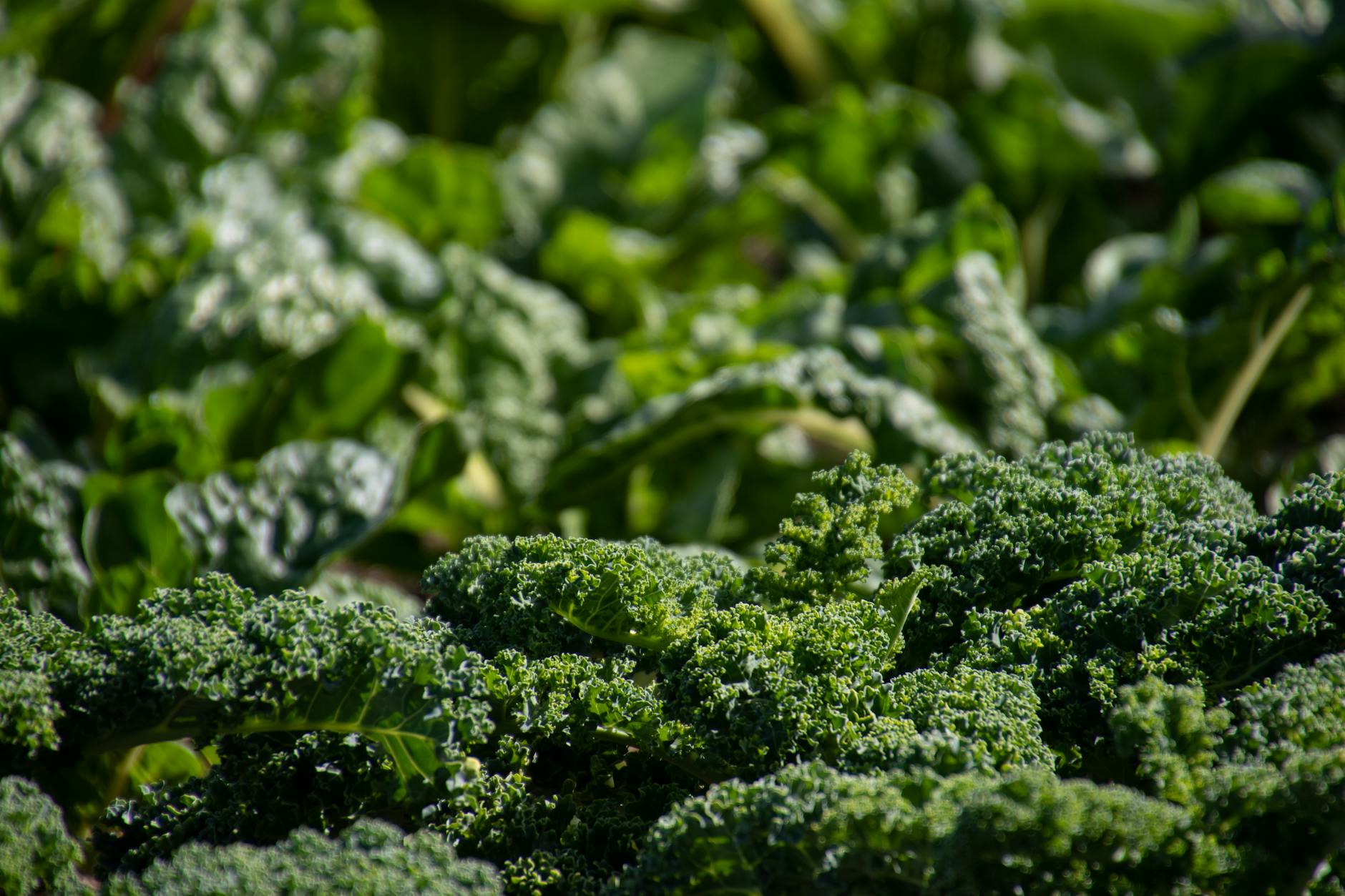
- Myth 1: Only citrus fruits contain Vitamin C. Many vegetables (such as bell peppers and kale) and fruits (such as guava and strawberries) can provide comparable or higher amounts per serving.
- Myth 2: High doses cure colds. Research findings vary by population and context; vitamin C is not established as a cure for the common cold.
- Myth 3: Cooking destroys all Vitamin C. Heat can reduce vitamin C content, but retention depends on method, time, and the food matrix.
Key Takeaways
- Vitamin C is an essential nutrient studied for roles in antioxidant biology and as a cofactor in enzymatic pathways (including collagen-related processes).
- Beyond citrus fruits, guavas, strawberries, kale, and bell peppers are commonly listed as notable dietary sources.
- Whole foods provide vitamin C along with other dietary components; preparation and cooking methods can affect vitamin C content.
- Meal planning can include a variety of vitamin C-containing fruits and vegetables, but individual needs should be discussed with a licensed healthcare provider.
- Common myths can oversimplify what research shows about sources, stability during cooking, and cold-related claims.
Frequently Asked Questions
What are the highest Vitamin C foods?
Guavas, red bell peppers, acerola cherries, and camu camu are often cited as high-vitamin-C foods, though exact amounts vary by food variety, serving size, and measurement method.Can cooking reduce Vitamin C levels?
Yes. Cooking methods such as boiling can reduce vitamin C content, and the degree of loss depends on time, temperature, and whether cooking water is discarded.How much Vitamin C do I need daily?
Commonly cited RDAs are 75 mg/day for women and 90 mg/day for men, with different recommendations for certain populations (for example, smokers). For personalized guidance, consult a licensed healthcare provider.Are Vitamin C supplements effective?
Supplements can provide vitamin C, but they differ from foods that also contain fiber and other nutrients. Whether supplementation is appropriate is an individual medical and nutritional question to discuss with a licensed healthcare provider.Can Vitamin C prevent colds?
Research does not establish vitamin C as a reliable preventive for colds across the general population; findings vary by study conditions and participant characteristics.