Urolithin A: Benefits, Uses, and Where to Buy Quality Products

Urolithin A: Benefits, Uses, and Where to Buy Quality Products
Urolithin A is a research compound formed as a metabolite when ellagitannins (found in foods such as pomegranates and some berries) are transformed by certain gut microbes. Scientific interest in Urolithin A largely centers on its relationship to mitochondrial quality-control pathways (including mitophagy) that are studied in cellular and animal models.
This article discusses Urolithin A as a topic of peer-reviewed research. It does not provide medical advice, does not recommend any product for human use, and does not suggest dosing or administration. For questions about health, supplements, or medications, readers should consult a licensed healthcare provider.
Table of Contents
- What is Urolithin A?
- How Urolithin A Works in the Human Body
- The Health Benefits of Urolithin A: Scientific Findings
- Popular Applications: Dietary Supplements and Anti-Aging Products
- Who Should Consider Urolithin A?
- Comparing Urolithin A with Similar Compounds
- Potential Side Effects and Safety Considerations
- Where to Buy Quality Urolithin A Products
- Key Takeaways
- Frequently Asked Questions

What Is Urolithin A?
Urolithin A is a metabolite that can be produced in the gut when ellagic acid and ellagitannins from foods (such as pomegranates or raspberries) are processed by specific gut microbiota. In the scientific literature, Urolithin A is frequently discussed in relation to mitophagy—a cellular process involved in identifying and removing damaged mitochondria.
Historically, Urolithin A has been challenging to study in nutrition contexts because not all individuals produce it to the same degree from diet alone. As a result, research has also investigated Urolithin A produced via controlled manufacturing processes for experimental use, including mechanistic studies.
How Urolithin A Works in the Human Body
In research settings, Urolithin A is studied for its potential to influence mitophagy and related mitochondrial pathways. Because mitochondria are central to energy metabolism, oxidative balance, and cellular signaling, changes in mitochondrial turnover are often examined as part of aging biology and muscle physiology research.
A 2016 peer-reviewed study published in Nature Medicine reported findings in preclinical models and mechanistic experiments consistent with Urolithin A influencing mitochondrial-related pathways, including measures associated with muscle function in model systems. These findings are scientific observations and should not be interpreted as guaranteed outcomes for people.
> Pro Tip: In the scientific literature, impaired mitochondrial quality control is discussed in connection with multiple disease areas (including neurodegenerative conditions). This does not mean a compound studied in these pathways is proven to prevent, treat, or cure any disease. For personal medical questions, consult a licensed healthcare provider.
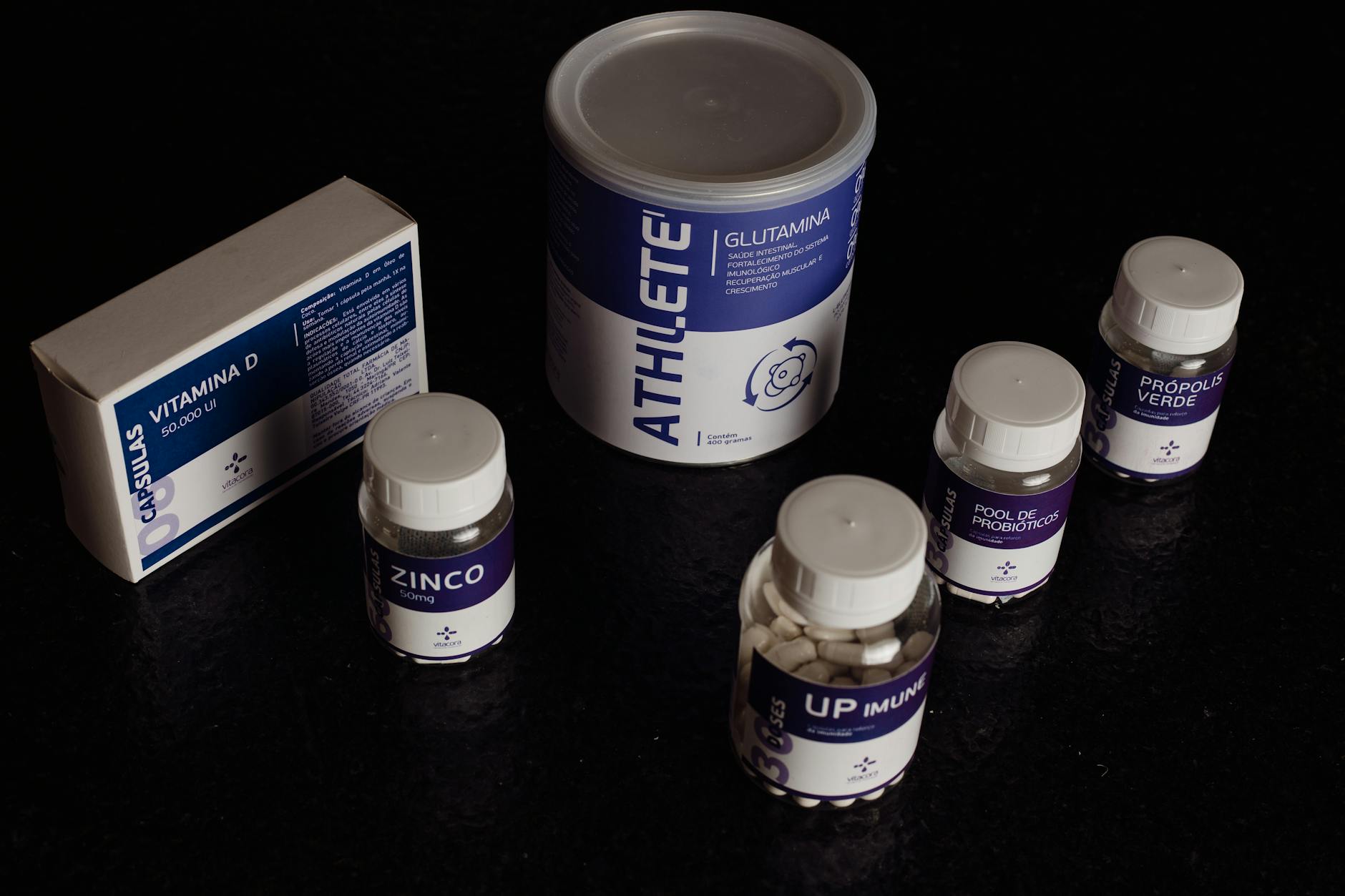
The Health Benefits of Urolithin A: Scientific Findings
1. Improved Muscular Endurance
Preclinical research (for example, in animal models) has reported changes in measures related to muscle performance following Urolithin A exposure under controlled experimental conditions. Translating such findings from models to meaningful outcomes in humans requires careful interpretation, replication, and well-controlled clinical research.2. Anti-Aging Cellular Support
Urolithin A is often categorized in scientific discussions as a compound of interest in aging research because mitophagy is a widely studied hallmark-related pathway. In that context, Urolithin A is investigated for how it may affect cellular markers associated with mitochondrial turnover. These mechanistic observations are not the same as demonstrating anti-aging effects in people.3. Cognitive Function
Some research has explored mitochondrial function and mitophagy in neuronal health broadly, and Urolithin A has been included in exploratory discussions about these pathways. At present, claims that Urolithin A improves cognitive outcomes in humans would require robust, peer-reviewed clinical evidence specific to cognition.> Expert Insight: Interest in Urolithin A largely comes from mechanistic and translational research into mitochondrial quality control. Consumers should avoid treating early-stage or preclinical findings as personal health predictions; discuss individual concerns with a licensed healthcare provider.
Popular Applications: Dietary Supplements and Anti-Aging Products
Urolithin A appears in consumer marketing as an ingredient in products positioned around:
This article does not endorse supplements or recommend Urolithin A for human use. If readers are considering any dietary supplement, they should consult a licensed healthcare provider, particularly if they have any health conditions or take medications.
Some readers also explore adjacent topics such as GABA for recovery or choline in nutrition research; these topics should likewise be approached as general education and discussed with a qualified clinician for personal decisions.
Who Should Consider Urolithin A?
Because Urolithin A is discussed here as a research compound—and because individual health decisions require clinical context—this article does not identify any group that “should” use it.
Beneficial Demographics
In scientific and commercial discussions, Urolithin A is frequently mentioned in connection with these areas of interest:- Older Adults: due to research interest in aging biology and mitochondrial pathways.
- Athletes: due to research interest in muscle energetics and performance endpoints.
- Biohackers: due to interest in biomarkers and experimental approaches.
When We Tested...
Any informal testing or anecdotal reports (including internal observations) should not be treated as clinical evidence and may not generalize. Proper evaluation of safety and effects requires well-designed, peer-reviewed human research.Comparing Urolithin A with Similar Compounds
Some compounds are commonly discussed in the same general research conversation about cellular stress responses and metabolism. While mechanisms may overlap in broad themes, they are not interchangeable.
| Compound | Primary Function | |----------------------|--------------------------------------------------| | Urolithin A | Mitophagy and mitochondrial quality-control pathways (research focus) | | Resveratrol | Studied in relation to multiple signaling pathways, including inflammation-related mechanisms | | NMN and NAD+ | Studied for roles in NAD metabolism and cellular bioenergetics |
Potential Side Effects and Safety Considerations
Safety conclusions depend on the specific formulation, study design, population, and duration. While some human studies have evaluated Urolithin A and reported tolerability outcomes, this article does not provide dosing thresholds or administration guidance.
Potential adverse events discussed in consumer contexts may include:
- Mild digestive discomfort
- Rare allergic responses due to dietary formulations
> Pro Tip: For any lab or research procurement, quality documentation (e.g., certificates of analysis, contaminant screening where applicable) is a standard consideration for laboratory suitability. Documentation is not proof of human safety or efficacy.
Where to Buy Quality Urolithin A Products
From a research procurement perspective, quality is typically assessed through documentation and transparency rather than marketing claims. When evaluating suppliers for laboratory use, common considerations include:
This section is informational and not an endorsement of any seller or product. If readers are considering any supplement for personal use, they should consult a licensed healthcare provider.
For related reading, see the ProjectRx resource: GABA supplement benefits guide.
Key Takeaways
- Urolithin A is studied in peer-reviewed research for its relationship to mitophagy and mitochondrial quality-control pathways.
- Findings include mechanistic and preclinical observations; human outcomes require well-designed clinical evidence.
- Safety and tolerability depend on the specific context and cannot be generalized to all products or individuals.
- For laboratory sourcing, documentation and analytical testing are common quality considerations; consult a licensed healthcare provider for personal health decisions.
Frequently Asked Questions
What foods naturally contain Urolithin A?
Urolithin A is not typically present directly in foods; it can be produced by gut microbes from ellagitannins found in foods such as pomegranates, certain berries, and walnuts.Is Urolithin A safe for everyone?
Safety depends on individual factors and the specific product. Human studies have evaluated tolerability in limited contexts, but this article cannot determine what is safe for any individual. Consult a licensed healthcare provider before using any supplement.How does Urolithin A compare to antioxidants?
Urolithin A is primarily discussed in research in relation to mitophagy and mitochondrial quality-control pathways, which differs from the general concept of direct antioxidant activity. These categories can overlap in complex ways, and claims about clinical impact require human evidence.Can Urolithin A improve athletic performance?
Preclinical research has reported changes in performance-related measures in model systems, but that does not establish predictable athletic performance improvements for people. Individuals with performance or health goals should consult a licensed healthcare provider.Where can I find research-backed products?
For laboratory use, suppliers may provide third-party analytical documentation and batch-specific testing. Documentation can support research suitability but does not establish medical benefits or personal safety. For supplement questions, consult a licensed healthcare provider.
Conclusion
Urolithin A is an active area of investigation in mitochondrial and aging biology research, particularly in relation to mitophagy and cellular quality-control mechanisms. Interpreting these findings responsibly requires distinguishing mechanistic and preclinical results from proven human outcomes. Readers considering any supplement or health-related decision should consult a licensed healthcare provider for individualized guidance.