Peptides Sermorelin: Benefits, Uses, and Safe Buying Guide

What Are Peptides and Sermorelin?
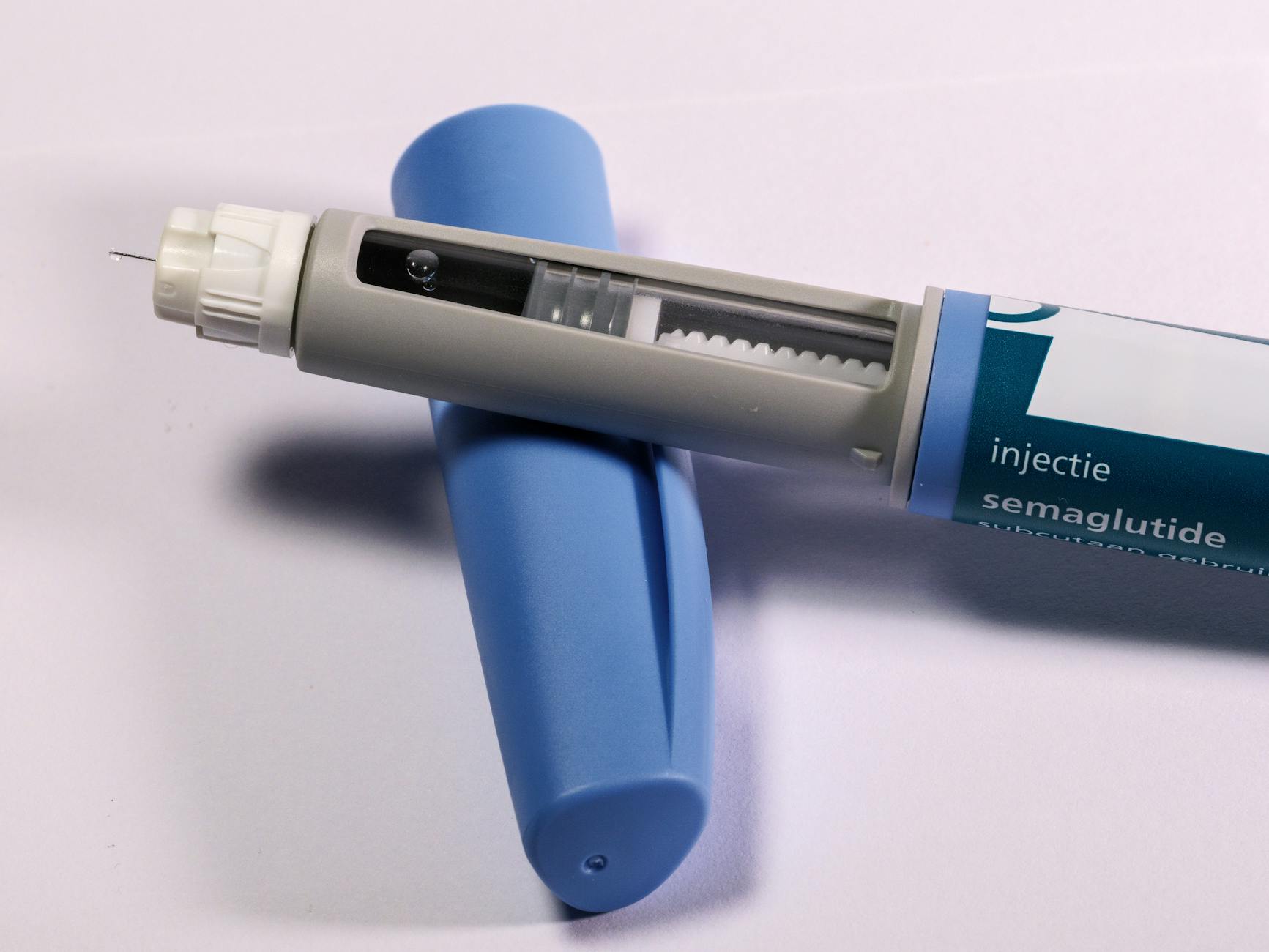
Peptides are short chains of amino acids that can act as signaling molecules in biological systems and can also serve as components of larger proteins. Sermorelin is a synthetic peptide modeled after a segment of endogenous growth hormone–releasing hormone (GHRH). In research settings, it has been studied for how it interacts with the GHRH receptor and how it may influence the pituitary’s release of growth hormone under controlled experimental conditions.
This guide provides general, educational information about peptides and Sermorelin as a research compound. It is not medical advice and does not evaluate or recommend Sermorelin for human use. For personal health questions, readers should consult a licensed healthcare provider.
Table of Contents
- What Are Peptides and Sermorelin?
- How Sermorelin and Peptides Work in the Body
- Key Benefits of Sermorelin Therapy
- Common Applications for Sermorelin
- How to Use Sermorelin Safely: Dosage and Best Practices
- Comparing Sermorelin to Other Peptides: Advantages and Differences
- Frequently Asked Questions About Peptides and Sermorelin
- Where to Buy High-Quality Sermorelin Products
How Sermorelin and Peptides Work in the Body
Peptides can bind to specific receptors and influence signaling pathways involved in endocrine and metabolic regulation. Sermorelin is commonly described in the scientific literature as a GHRH analogue. Under experimental conditions, GHRH analogues can be used to study stimulation of the GHRH receptor and downstream effects on pituitary growth hormone secretion.
It is important to distinguish mechanism-of-action descriptions from health outcomes. Describing a pathway (for example, a signaling effect on growth hormone release) does not establish that a compound produces predictable, clinically meaningful outcomes in people.
> Pro Tip: When evaluating peptide research, prioritize peer-reviewed studies, clear methodology, and outcomes that are measured objectively. For personal medical decisions, consult a licensed healthcare provider.
Key Benefits of Sermorelin Therapy
Sermorelin has been discussed in clinical and translational literature primarily in relation to endocrine testing and investigation of GHRH-mediated physiology. However, broad consumer-facing “benefits” (such as improved sleep, increased energy, muscle recovery, anti-aging effects, or weight loss) are not established as reliable outcomes across the general population based on high-quality evidence.
To keep this section educational and evidence-aligned, the following items describe research topics commonly explored—rather than guaranteed or typical results:
- Growth hormone axis investigation: Used in some contexts to study the GHRH–pituitary pathway and growth hormone secretion dynamics.
- Endocrine signaling research: Studied to understand how GHRH analogues interact with receptors and influence downstream signaling.
- Comparative physiology: Used to compare responses to different secretagogues or hormone pathway modulators in controlled settings.

Common Applications for Sermorelin
In scientific, clinical, and laboratory discussions, Sermorelin is most appropriately framed around investigational or diagnostic research contexts rather than lifestyle or wellness outcomes. Common research-oriented applications include:
Any discussion of using Sermorelin to address insomnia, body composition, athletic recovery, or “anti-aging” outcomes should be treated as unproven and requires evaluation by qualified clinicians and researchers, not consumer self-experimentation.
How to Use Sermorelin Safely: Dosage and Best Practices
This article does not provide dosing, administration routes, or use instructions. Sermorelin is frequently sold as a research compound, and it should not be represented as intended for self-administration.
For safety and compliance, consider these general best practices for research handling and evaluation:
- Medical oversight: If you are considering any compound for personal health reasons, consult a licensed healthcare provider. Do not interpret research discussions as treatment guidance.
- Documentation review: Verify that suppliers provide certificates of analysis (COAs), lot numbers, and third-party analytical testing for identity and purity.
- Labeling and intended use: Prefer products clearly labeled for laboratory and research use, with transparent specifications.
Comparing Sermorelin to Other Peptides: Advantages and Differences
Several peptides are studied for their roles in endocrine signaling. Comparisons should focus on what is known from peer-reviewed research—such as receptor targets, mechanism, and experimental outcomes—rather than consumer “advantages” or implied suitability for human use.
When comparing peptides discussed in weight-management contexts, review educational material cautiously and prioritize clinical evidence and professional guidance. Related reading: Peptides for Weight Loss: Benefits, Science & Safety.
Key Takeaways
- Peptides like Sermorelin are studied for their interactions with specific receptors and endocrine pathways, including the GHRH–pituitary growth hormone axis.
- Mechanism-of-action descriptions are not the same as proven, predictable human outcomes; broad wellness or “anti-aging” claims are not established by strong evidence here.
- This article does not provide dosing or administration instructions and does not recommend Sermorelin for human use; consult a licensed healthcare provider for personal medical questions.
- Comparisons to synthetic HGH or other peptide therapies should be framed as research and mechanism differences, not as marketing claims about superiority or suitability.
Frequently Asked Questions
What is Sermorelin used for?
In scientific and clinical literature, Sermorelin has been discussed primarily in relation to studying or evaluating the GHRH–growth hormone axis under controlled conditions. It should not be assumed to be appropriate for any individual health goal; consult a licensed healthcare provider for medical questions.
Are there any side effects from Sermorelin?
Safety profiles depend on context (study population, protocol, monitoring, and formulation). This article does not provide medical guidance or predict side effects for any individual. Anyone with health concerns should consult a licensed healthcare provider.
Can Sermorelin help with weight loss?
This article does not claim or imply that Sermorelin causes weight loss. While some discussions hypothesize relationships between growth hormone pathways and metabolism, that does not establish reliable weight-loss outcomes in people. For general education, see Peptides to Lose Weight: Benefits & Safety, and consult a licensed healthcare provider for personal medical guidance.
How long does it take to see results with Sermorelin?
Timelines for “results” vary by study design and measured endpoints, and consumer-style outcome timelines are not supported here. Interpreting any peptide research for personal health decisions should be done with a licensed healthcare provider.
Where can I buy Sermorelin safely?
If purchasing for laboratory research, look for suppliers that provide third-party testing, transparent documentation (such as COAs), and clear labeling indicating research use only. Do not use this information as guidance for human use; consult a licensed healthcare provider for medical questions.

Where to Buy High-Quality Sermorelin Products
When purchasing Sermorelin for research purposes, evaluate whether the seller provides third-party testing, clear documentation, and transparent specifications for identity and purity. Avoid sellers that imply medical benefits, promise outcomes, or market the compound as intended for personal treatment.
To explore more about peptides or related products, visit our article on Sermorelin Peptide: Benefits, Uses, and Where to Buy.
---
Featured External Links:
- Learn about hormone function: https://www.nih.gov/hormones
- Anti-aging research insights: https://www.scientificamerican.com/anti-aging
- Growth hormone therapy studies: https://www.mayoclinic.org/growth-hormone