Organic BPC-157: Benefits, Uses & Where to Buy Safely
Organic BPC-157: Benefits, Uses & Where to Buy Safely
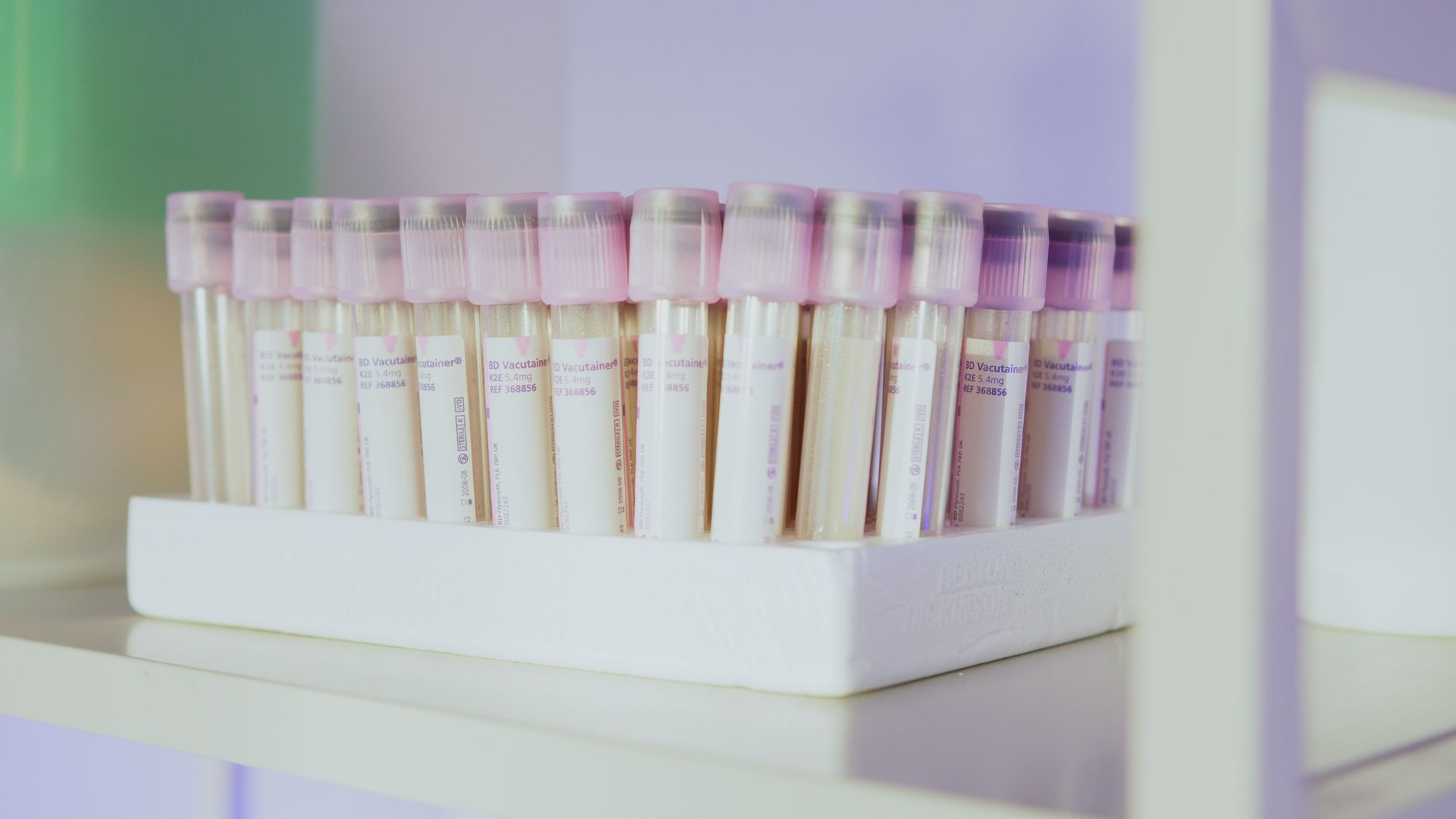
Organic BPC-157 is a peptide discussed in scientific literature and online communities, often in the context of laboratory research on tissue processes. In commercial marketplaces, the word “organic” is sometimes used to suggest higher purity or different manufacturing standards—however, the term can be inconsistently applied and may not reflect a regulated certification.
This article is general educational content focused on research context and product-quality evaluation for laboratory supply purchasing. It does not provide medical advice, does not recommend any use in people, and does not describe dosing or administration. For personal health questions, readers should consult a licensed healthcare provider.
Table of Contents
- What Makes BPC-157 'Organic'? Key Differentiators
- Health Benefits and Common Uses of Organic BPC-157
- How to Use Organic BPC-157 Safely and Effectively
- Where to Buy Authentic Organic BPC-157 Online
- How to Spot High-Quality Organic BPC-157 Products
- Customer Reviews and Testimonials: What Others Are Saying
- Key Takeaways
- Frequently Asked Questions
What Makes BPC-157 'Organic'? Key Differentiators
BPC-157 is a synthetic peptide sequence used in preclinical research. It is often described online as being “derived” from a protein found in gastric tissue; however, commercially available BPC-157 is generally manufactured via chemical peptide synthesis rather than extracted from humans.
In practice, “organic” on a peptide listing usually functions as a marketing descriptor rather than a standardized scientific classification. When vendors use the term, they may be referring to manufacturing choices (e.g., certain solvents, reagents, purification methods) or general purity claims.
Key Characteristics of 'Organic' BPC-157:
- Raw-material and process transparency: Some vendors use “organic” to signal limited additives and documented production controls.
- Purification and contaminant controls: Listings may emphasize low residual solvents, low endotoxin, and high purity—but these claims should be verified with documentation.
- Third-party testing: Independent analytical reports (e.g., HPLC/LC-MS and related QC data) can help substantiate identity and purity claims.
Health Benefits and Common Uses of Organic BPC-157
BPC-157 is discussed primarily in preclinical contexts (e.g., in vitro experiments and animal models). The scientific literature explores how this peptide may interact with biological pathways related to tissue processes. These findings are not the same as proven clinical outcomes in humans.
Potential Benefits:
Common Uses:
- Laboratory studies exploring peptide biology
- Preclinical research models related to tissue processes
- Analytical method development and quality-control testing
How to Use Organic BPC-157 Safely and Effectively
This section addresses general laboratory handling and quality-control considerations. It does not provide instructions for human use.
Safe Handling Tips:
Peptides can be sensitive to environmental conditions; handling variability can affect analytical results and experimental reproducibility. For storage parameters and stability, rely on vendor-provided stability data and your lab’s validated procedures.
If you are seeking information for personal medical decision-making, consult a licensed healthcare provider.
Where to Buy Authentic Organic BPC-157 Online
Finding reputable suppliers is important for research integrity and to reduce the risk of counterfeit or misrepresented materials. Because “organic” is not a consistently regulated category for peptides, supplier vetting should focus on verifiable quality systems and documentation.
Key Traits of Trusted Suppliers:
For example, companies like The Project Rx publish educational resources and discuss testing transparency. Mention of a supplier is for informational purposes and is not an endorsement.
How to Spot High-Quality Organic BPC-157 Products
Even among products labeled “organic,” quality can vary. Focus on measurable indicators rather than broad claims.
Evaluation Checklist:
- Lot-specific documentation: CoAs should include batch/lot identifiers and test outputs (not just a generic template).
- Method clarity: Purity/identity claims should reference analytical methods used and, when available, acceptance criteria.
- Ingredient and excipient transparency: For any formulation, confirm declared components and avoid listings with unclear additives.
Customer Reviews and Testimonials: What Others Are Saying
Online reviews can reflect customer experience with shipping, packaging, and documentation. However, testimonials are not reliable evidence of scientific performance or health outcomes.
Testimonial Highlights:
- Documentation quality: Reviewers often comment on whether CoAs and batch details are provided.
- Packaging and fulfillment consistency: Some feedback focuses on shipping speed and condition on arrival.
- Subjective outcome claims: Some posts describe personal effects; these accounts are anecdotal and should not be treated as evidence.
Key Takeaways
- “Organic” is not a standardized scientific classification for BPC-157; verify any purity or process claims with documentation.
- Quality signals include lot-specific third-party testing, transparent specifications, and clear QA/QC practices.
- Handling and storage should follow supplier documentation, SDS guidance, and validated laboratory protocols.
- Customer reviews may help assess service and documentation practices, but they do not substantiate efficacy or health outcomes.
Frequently Asked Questions
What is organic BPC-157?
“Organic BPC-157” typically refers to vendor claims about manufacturing or purity practices. Because the term is not consistently regulated for peptides, it should be evaluated using objective evidence such as lot-specific CoAs and test methods.Does organic BPC-157 work better than regular BPC-157?
There is no established clinical evidence showing that an “organic” label corresponds to superior outcomes in humans. From a research purchasing perspective, the more meaningful comparison is the quality documentation (identity, purity, contaminants, and testing transparency).Where can I buy organic BPC-157 online?
Look for suppliers that provide verifiable, lot-specific testing documentation and clear specifications. A referenced example resource is The Project Rx, but readers should independently evaluate any vendor.How should organic BPC-157 be stored?
Storage conditions should be based on the supplier’s stability data, label instructions, and your laboratory’s validated procedures. Avoid relying on generic storage ranges without documentation.What should I look for in a high-quality product?
Prioritize lot-specific third-party testing, transparent batch numbers, clear labeling/specifications, and documented methods for identity and purity testing.
Conclusion
“Organic BPC-157” is commonly used as a quality-related descriptor in the peptide marketplace, but it is not a substitute for verifiable analytical documentation. For research use, the most reliable way to assess a product is through lot-specific testing, transparent specifications, and consistent QA/QC practices from the supplier. For any personal health questions related to peptides or other compounds, consult a licensed healthcare provider.