Injectable Semaglutide: Benefits, Uses, and Key Insights
Injectable Semaglutide: Benefits, Uses, and Key Insights
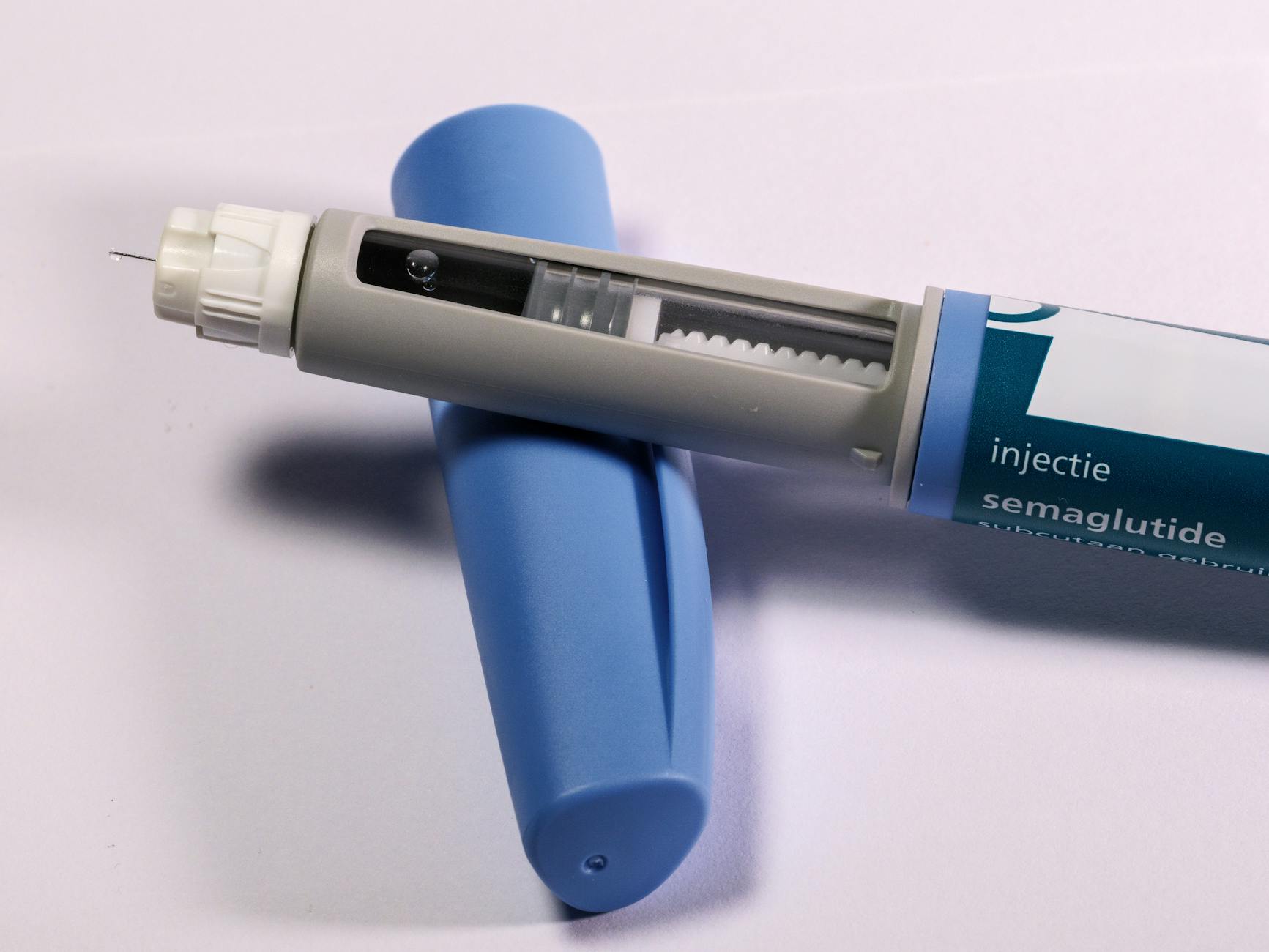
Injectable semaglutide is a glucagon-like peptide-1 (GLP-1) receptor agonist that has been studied extensively in peer-reviewed clinical research and is available as an FDA-approved prescription medication for specific indications. This article summarizes, at a high level, what the scientific and regulatory literature describes about its mechanism of action, studied outcomes, and safety considerations. It is general educational information only; decisions about diagnosis and treatment must be made with a licensed healthcare provider.
This article explores how semaglutide works, what clinical studies have reported, and key considerations that clinicians evaluate when prescribing it.
Table of Contents
- Introduction to Injectable Semaglutide
- How Injectable Semaglutide Works in the Body
- Benefits of Injectable Semaglutide for Diabetes and Weight Loss
- Who Should Consider Injectable Semaglutide?
- Step-by-Step Guide to Administering Injectable Semaglutide
- Potential Side Effects and Precautions to Note
- How to Obtain Injectable Semaglutide (Prescriptions & Cost)
- Key Takeaways
- Frequently Asked Questions

Introduction to Injectable Semaglutide
Injectable semaglutide is a medication in the GLP-1 receptor agonist class. In the United States, semaglutide is available under brand names such as Ozempic and Wegovy for FDA-approved uses that include glycemic management in type 2 diabetes (product- and label-specific) and chronic weight management for certain adults meeting defined clinical criteria.
Clinical use is prescription-based and involves individualized medical evaluation. Whether a person is a candidate, which product is appropriate, and how it is used are determinations made by a licensed healthcare provider based on the full prescribing information and the patient’s medical history.
How Injectable Semaglutide Works in the Body
Injectable semaglutide activates GLP-1 receptors, part of a hormonal signaling pathway involved in glucose metabolism and appetite regulation. GLP-1 is released in response to food intake, and semaglutide is designed to enhance GLP-1 receptor signaling.
Peer-reviewed research describes several physiological effects:
- Glucose-related effects: GLP-1 receptor agonism can increase glucose-dependent insulin secretion and reduce glucagon secretion when glucose levels are elevated.
- Appetite and gastric effects: Studies describe delayed gastric emptying and central nervous system signaling that can influence hunger and satiety.

Benefits of Injectable Semaglutide for Diabetes and Weight Loss
This section summarizes outcomes reported in clinical studies and regulatory labeling rather than predicting results for any individual.
1. Glycemic Outcomes Studied in Type 2 Diabetes
Clinical trials in type 2 diabetes have evaluated semaglutide’s effects on measures such as HbA1c and fasting/postprandial glucose. The magnitude of effect varies across trials and depends on factors such as baseline characteristics, background therapy, and study duration.Importantly, while improved glycemic control is associated in the medical literature with reduced risk of diabetes-related complications over time, no article can determine or guarantee risk reduction for an individual. Individuals should discuss goals and monitoring with a licensed healthcare provider.
2. Body-Weight Outcomes Studied in Obesity/Overweight Populations
Randomized controlled trials have reported statistically significant mean weight reductions with semaglutide in selected adult populations when combined with lifestyle interventions. Outcomes vary and require medical monitoring for safety.3. Cardiovascular Outcomes Research
In people with type 2 diabetes, large outcomes trials of GLP-1 receptor agonists (including semaglutide) have evaluated major adverse cardiovascular events. Some studies have reported risk reductions at the group level under trial conditions. Interpretation should remain limited to the studied populations and endpoints, and individual cardiovascular risk should be assessed by a clinician.Overall, the evidence base reflects multiple lines of peer-reviewed research across glycemic, weight, and cardiometabolic endpoints, but individual treatment decisions and expected outcomes are clinical matters to be addressed with a licensed healthcare provider.
Who Should Consider Injectable Semaglutide?
Only a licensed healthcare provider can determine whether semaglutide is appropriate for a particular person. In general, clinicians evaluate eligibility based on FDA-approved indications, contraindications, precautions, comorbidities, concurrent medications, and patient-specific risks.
Common label- and guideline-relevant contexts discussed in clinical practice include:
- Type 2 Diabetes: Semaglutide may be prescribed as part of a broader diabetes management plan when clinically appropriate.
- Obesity or Overweight with Risks: Certain semaglutide products are FDA-approved for chronic weight management in adults meeting defined criteria (for example, BMI thresholds and/or weight-related comorbidities), subject to clinical evaluation.
- Need for individualized risk-benefit assessment: A clinician may consider prior treatment response, tolerability, and relevant medical history.
Step-by-Step Guide to Administering Injectable Semaglutide
Because semaglutide products are prescription medications with product-specific instructions, this article does not provide dosing, injection technique, or step-by-step self-administration directions. Administration details (including device use, injection sites, and handling/sharps disposal) should come directly from:
- the official prescribing information and patient instructions for the specific product, and
- training from a licensed healthcare provider or pharmacist.
Potential Side Effects and Precautions to Note
Semaglutide has known risks and side effects described in FDA labeling and peer-reviewed trials. Reported adverse effects can include gastrointestinal symptoms (such as nausea, vomiting, diarrhea, or constipation) and other events that may be clinically significant. Rare but serious risks have been reported and are addressed in product labeling.
Certain medical histories and conditions may be relevant to safety considerations (for example, conditions referenced in contraindications/warnings in the prescribing information). Anyone considering or using semaglutide should review risks, contraindications, and monitoring needs with a licensed healthcare provider.
Some clinical trials have reported relatively common gastrointestinal adverse events, particularly during early treatment phases in study protocols. Exact rates vary by study design, population, and definitions of adverse events.
How to Obtain Injectable Semaglutide (Prescriptions & Cost)
Prescription Requirements
Injectable semaglutide is a prescription medication. A licensed healthcare provider determines whether it is appropriate and, if so, which product and regimen align with the patient’s medical needs and the FDA-approved labeling.Cost and Insurance Coverage
Pricing and coverage vary widely by plan, pharmacy, location, and the specific semaglutide product. Any example prices found online may be outdated or not representative. For accurate information, patients can check with their pharmacy and insurance plan and ask about any available manufacturer programs through official sources.> Read our guide, Tesamorelin Online: Safe Buying Guide & Trusted Sources, to learn about finding safe options for similar prescription therapies online.
Accessing Injectable Semaglutide Nationwide (USA)
Semaglutide prescriptions may be filled through many pharmacies in the United States, subject to availability and legal requirements. Patients should use licensed pharmacies and verify authenticity through standard pharmacy channels; a pharmacist can help answer sourcing and dispensing questions.---
Key Takeaways
- Injectable semaglutide is a GLP-1 receptor agonist that has been evaluated in peer-reviewed clinical research and is available as an FDA-approved prescription medication for specific indications.
- Clinical studies have assessed semaglutide’s effects on glycemic measures and body weight in selected populations; individual outcomes vary.
- Administration, product selection, and monitoring are clinical matters that must be directed by a licensed healthcare provider and the official prescribing information.
- Semaglutide can cause side effects, including gastrointestinal symptoms, and has important warnings/precautions that require medical review.
- Insurance coverage and out-of-pocket costs vary; patients can confirm details with their insurer and pharmacy.
Frequently Asked Questions
What is semaglutide used for?
In the U.S., semaglutide is an FDA-approved prescription medication with specific indications that include type 2 diabetes management (product-dependent) and chronic weight management for certain adults who meet defined criteria. Use should be determined by a licensed healthcare provider.How often is semaglutide injected?
Injection frequency depends on the specific FDA-approved product and the prescriber’s instructions. Patients should follow the prescribing information and directions provided by their licensed healthcare provider or pharmacist.Are there long-term side effects of semaglutide?
Long-term safety has been evaluated in clinical trials and post-marketing surveillance, with risks and warnings summarized in FDA labeling. Potential adverse effects can include gastrointestinal events and other clinically significant risks described in prescribing information. Individual risk assessment and monitoring should be handled by a licensed healthcare provider.Can anyone take semaglutide for weight loss?
Not everyone is eligible. Certain semaglutide products are FDA-approved for chronic weight management for adults who meet specific criteria (such as BMI thresholds and/or weight-related comorbidities), and a clinician must evaluate contraindications, risks, and appropriateness.Is semaglutide covered by insurance?
Coverage varies by insurer, plan, and indication. Patients can confirm coverage with their insurance provider and ask their pharmacy about expected out-of-pocket costs.---

Conclusion
Injectable semaglutide is a prescription GLP-1 receptor agonist supported by a substantial body of peer-reviewed research and FDA-regulated labeling for specific uses. Clinical trials have evaluated its effects on glycemic measures, body weight, and selected cardiometabolic outcomes in defined populations. Because appropriateness, risks, and monitoring depend on individual medical factors, anyone considering semaglutide should discuss it with a licensed healthcare provider.