GHK-Cu Copper Peptide: Benefits, Uses, and Safety Explained

What Is GHK-Cu Copper Peptide?
GHK-Cu copper peptide is a naturally occurring compound consisting of three amino acids (glycyl-L-histidyl-L-lysine) bound to copper. In scientific literature, it has been studied for its interactions with biological processes relevant to connective tissue biology and cellular signaling. In consumer markets, it is commonly included in cosmetic formulations; however, discussions of outcomes should be interpreted cautiously and in the context of the available evidence.
This article is educational and summarizes research findings and common formulation considerations. It is not medical advice. For personal skin or scalp concerns—or questions about whether any ingredient is appropriate for you—consult a licensed healthcare provider.
Table of Contents
- What Is GHK-Cu Copper Peptide?
- How GHK-Cu Works: The Science Behind the Peptide
- Top Benefits of Using GHK-Cu for Skin and Hair
- Best Ways to Use GHK-Cu Copper Peptide in Your Routine
- Comparing GHK-Cu to Other Skin Care Ingredients
- Potential Side Effects and Precautions to Consider
- Where to Buy High-Quality GHK-Cu Products

How GHK-Cu Works: The Science Behind the Peptide
GHK-Cu is a copper-binding peptide complex that has been investigated in preclinical and biochemical contexts for how it may influence pathways involved in tissue remodeling and inflammatory signaling. In broad terms, researchers have explored whether the peptide-copper complex can interact with cellular processes linked to extracellular matrix components (such as collagen and elastin), oxidative stress responses, and gene expression patterns.
Some publications discuss gene-expression modulation associated with GHK-Cu in model systems, including changes in markers tied to inflammation and repair-related pathways. As with many bioactive compounds, the strength and relevance of these findings depend on study design (e.g., in vitro vs. animal vs. human data), formulation, concentration, exposure time, and outcome measures.
> Pro Tip: Formulation characteristics (including pH, stability, and compatibility with other ingredients) can influence peptide integrity. For product-specific questions, consult the manufacturer’s documentation or a qualified professional.
Top Benefits of Using GHK-Cu for Skin and Hair
GHK-Cu copper peptide is frequently discussed in the context of cosmetic science and regenerative biology research. It’s important to separate:
- What has been observed in laboratory or preclinical studies (mechanistic signals, biomarker changes, model outcomes), from
- What can be claimed as a predictable cosmetic or clinical outcome for people (which requires well-designed human evidence).
Skin Benefits
- Collagen- and matrix-related signaling (research focus): Some studies examine whether GHK-Cu is associated with pathways involved in collagen-related processes and extracellular matrix remodeling. Claims about specific wrinkle reduction or elasticity changes require robust human clinical testing and should not be assumed from mechanistic findings alone.
- Wound-healing models (research focus): GHK-Cu has been studied in experimental settings that evaluate processes relevant to tissue repair. Translating these findings to real-world outcomes for cuts, burns, or scars in individuals depends on clinical context and should be discussed with a licensed healthcare provider.
- Inflammation-related markers (research focus): Scientific discussions often include how copper-peptide complexes may relate to inflammatory signaling. Cosmetic outcomes can vary widely and are not guaranteed.
Hair Benefits
- Scalp biology and follicle-related research (research focus): Some research explores whether copper peptides may influence cellular environments relevant to follicles or scalp tissue in model systems. This is not the same as proving an ingredient prevents thinning hair or increases hair density in people.
- Cosmetic formulation interest (research focus): Copper peptides are sometimes included in topical products marketed for scalp or hair appearance. Evidence quality differs by product and study design.
Best Ways to Use GHK-Cu Copper Peptide in Your Routine
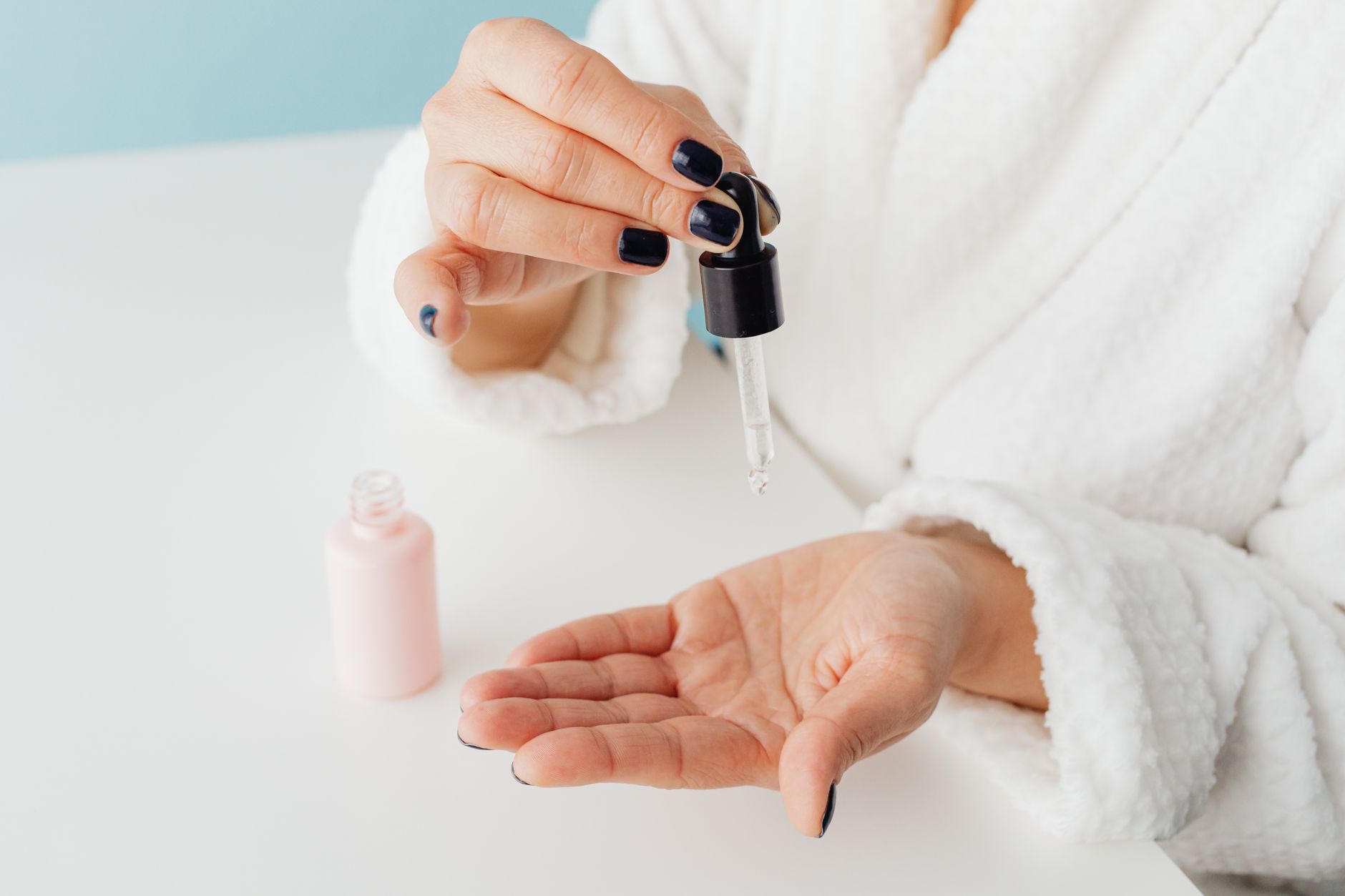
This section summarizes common product categories where GHK-Cu may appear and general considerations about ingredient compatibility. It does not provide medical guidance, dosing, or instructions for human use.
For Skin
For Hair
- Copper peptides may be found in scalp-focused products such as sprays, tonics, or serums.
Dos and Don’ts
- Do: Review ingredient lists and patch-test practices commonly recommended for new cosmetic products. For personalized guidance—especially if you have a dermatologic condition—consult a licensed healthcare provider.
- Don’t: Assume all actives are compatible. Some brands caution against combining certain peptides with strongly acidic products due to potential stability issues; follow product labeling and professional guidance.
Comparing GHK-Cu to Other Skin Care Ingredients
How does GHK-Cu compare conceptually with other commonly discussed cosmetic ingredients? The comparisons below describe typical mechanisms of interest rather than guaranteed outcomes.
Retinol vs. GHK-Cu
- Retinol: Commonly used in cosmetic products and studied for its relationship to cell turnover and appearance-related endpoints; it can be irritating for some individuals.
- GHK-Cu: Commonly discussed in relation to tissue remodeling and peptide signaling in research contexts. Tolerability varies by formulation and individual factors.
Hyaluronic Acid vs. GHK-Cu
- Hyaluronic Acid: A humectant primarily associated with hydration and temporary plumping effects in cosmetic use.
- GHK-Cu: A copper-binding peptide studied for broader biological signaling themes; cosmetic outcomes depend on product design and evidence.
Potential Side Effects and Precautions to Consider
GHK-Cu appears in many cosmetic products and is often described as well-tolerated, but reactions can occur with any topical ingredient depending on the individual and the full formulation.
- Irritation or sensitivity: Some people may experience redness, dryness, or discomfort.
- Allergic reactions: While less common, contact allergy is possible.
- Product interactions and stability: Ingredient combinations and formulation pH can affect stability and skin tolerance.
Success Stories and Testimonials: Real Results from Users
User testimonials and surveys can be helpful for understanding consumer sentiment, but they are not the same as controlled clinical evidence and should not be interpreted as proof of efficacy.
- Claims such as “a survey found that 85% of users experienced firmer, smoother skin within one month” should be evaluated by reviewing the survey methodology, sample selection, controls, and whether results were independently verified.
- Statements that a product “fades scars” or produces specific appearance changes require well-designed human clinical studies to substantiate.
Where to Buy High-Quality GHK-Cu Products
When evaluating GHK-Cu products, consider indicators of quality such as transparent ingredient labeling, manufacturing standards, and availability of relevant testing documentation (when provided). In general, consumers often look to:
- Reputable skincare retailers with clear sourcing and labeling practices
- Specialty ingredient suppliers that publish specifications and testing details
Key Takeaways
- GHK-Cu copper peptide is a copper-binding tripeptide studied in scientific contexts related to cellular signaling, inflammation-related markers, and extracellular matrix biology.
- Evidence varies by study type (in vitro, animal, human) and by specific product formulation; mechanistic findings do not automatically translate to predictable cosmetic outcomes.
- GHK-Cu appears in multiple cosmetic product categories (e.g., serums, creams, masks, and scalp-focused products), but product labeling and professional guidance should be followed.
- Potential irritation or sensitivity is possible with any topical product; people with underlying conditions should consult a licensed healthcare provider.
- Purchase decisions should prioritize transparency, quality documentation, and reputable sourcing.
Frequently Asked Questions
What does GHK-Cu copper peptide do?
In research settings, GHK-Cu has been studied for its association with pathways involved in extracellular matrix biology (including collagen-related processes), inflammation-related signaling, and tissue remodeling. What any specific cosmetic product will do depends on formulation and the quality of human evidence supporting that product. For personal medical or dermatologic concerns, consult a licensed healthcare provider.
Can GHK-Cu be used daily?
Product labels vary, and tolerance can differ by individual and formulation. For individualized recommendations—especially if you have sensitive skin, allergies, or a skin condition—consult a licensed healthcare provider.
Are copper peptides safe for sensitive skin?
Some individuals with sensitive skin may tolerate copper peptides, while others may experience irritation depending on the complete formula. Patch testing and consultation with a licensed healthcare provider are prudent if sensitivity is a concern.
How long does it take to see results from GHK-Cu?
Time-to-result claims depend on product-specific human clinical data. Testimonials and informal timelines are not reliable predictors. For concerns about skin changes or expectations from a product, consult a licensed healthcare provider.
Can GHK-Cu help with hair loss?
GHK-Cu has been explored in research related to scalp and follicle biology, but that does not establish that it treats hair loss or increases hair density in people. Hair loss can have multiple causes that warrant medical evaluation; consult a licensed healthcare provider for diagnosis and evidence-based options.