BPC-157 Ratings: How to Choose Top Products Safely

What Is BPC-157 and Why Ratings Matter
BPC-157 ratings are summaries of user and expert commentary about the perceived quality and other characteristics of synthetic BPC-157 materials offered by vendors. Because online reviews can be incomplete, subjective, or manipulated, they should be treated as one data point—alongside objective documentation such as third-party analytical testing—when assessing products marketed for laboratory and research use only.
BPC-157 is a synthetic peptide that has appeared in the scientific literature, primarily in preclinical contexts. In online marketplaces, “ratings” are often used as a quick way to compare vendors and listings; however, ratings do not verify identity, purity, or suitability for any particular purpose. Any health-related questions about peptides should be discussed with a licensed healthcare provider.
Table of Contents
- How to Interpret BPC-157 Ratings: Key Criteria to Consider
- Top Sources for Verified BPC-157 Reviews and Ratings
- Safety and Quality Considerations When Buying BPC-157
- Spotting Fake Ratings: Red Flags and Warning Signs
- A Deep Dive: Comparing Popular BPC-157 Products Based on User Ratings
- Expert Tips for Choosing the Best BPC-157 Product
- Key Takeaways
- Frequently Asked Questions

How to Interpret BPC-157 Ratings: Key Criteria to Consider
When evaluating BPC-157 ratings, it’s important to go beyond the star count and look at what the rating is actually describing.
> Pro Tip: When available, compare reviews with objective materials such as third-party analytical results (e.g., a certificate of analysis) rather than relying on claims about “effectiveness” or “safety.” For personal medical questions, consult a licensed healthcare provider.
Top Sources for Verified BPC-157 Reviews and Ratings
Finding reliable sources for BPC-157 ratings can be difficult, but some venues provide more traceability and context than others:
- Research Chemical Forums: Communities of researchers and technically oriented users may discuss documentation practices, share analytical testing experiences, and flag suspicious listings.
- Verified E-commerce Platforms: Websites with verified buyer reviews and transparent rating systems, such as Trustpilot, can make it easier to evaluate patterns in vendor behavior (for example, fulfillment issues or customer service responsiveness).
- Scientific Journals: Peer-reviewed studies may discuss BPC-157 in preclinical research contexts; they are not product reviews, but they can clarify what is (and isn’t) supported by published evidence.
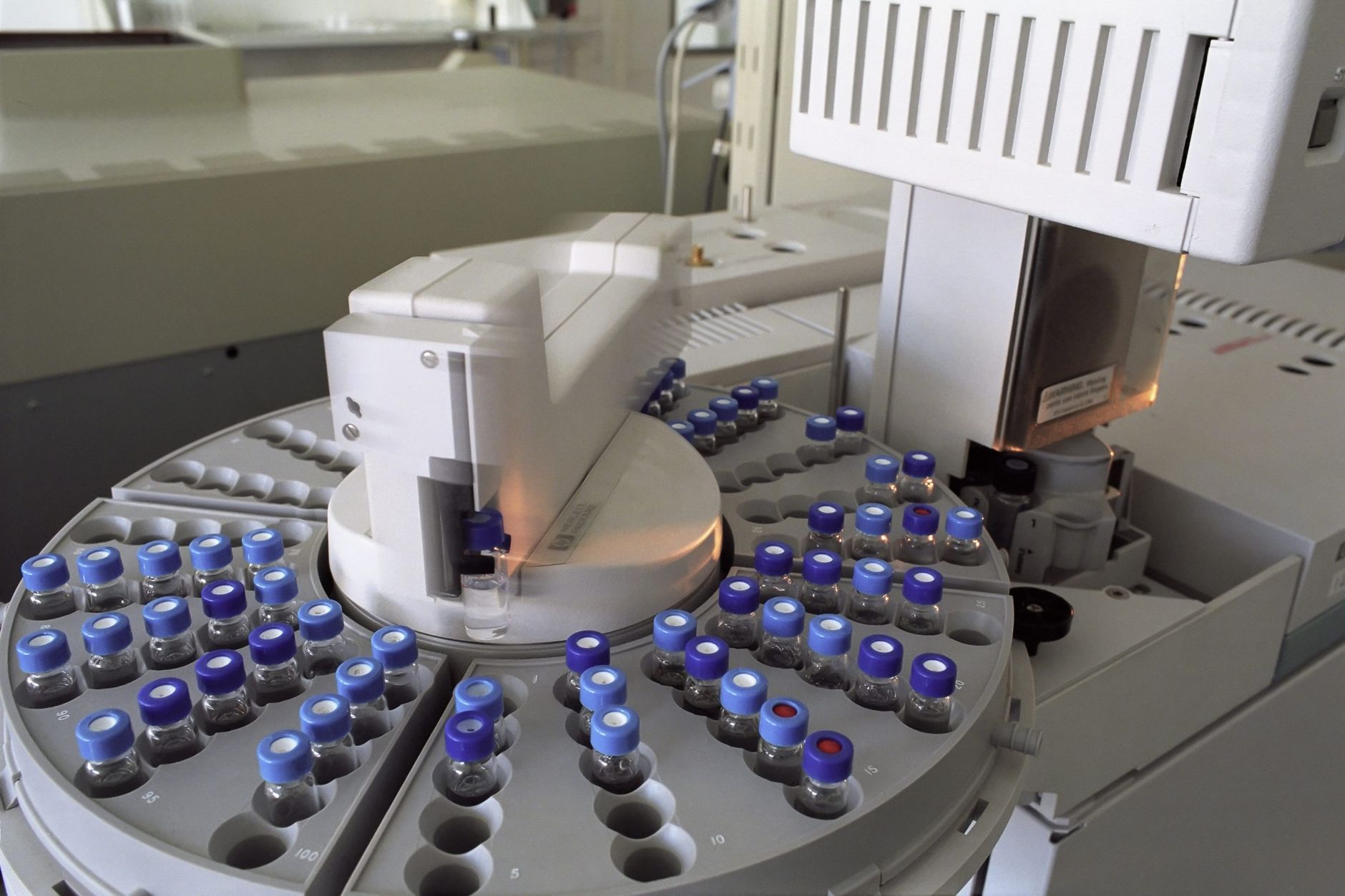
Safety and Quality Considerations When Buying BPC-157
Online ratings sometimes comment on factors people associate with quality control (such as documentation, packaging, and vendor transparency). However, ratings themselves do not establish that a product is safe, correctly identified, or appropriate for any particular use. When assessing quality-related claims, consider:
> Expert Insight: Third-party analytical documentation can reduce uncertainty about identity and contaminants compared with unaudited marketing claims, but documentation should still be examined for authenticity and relevance to the specific batch.
Spotting Fake Ratings: Red Flags and Warning Signs
Fake or manipulated ratings occur in many industries, including research chemical markets. Potential warning signs include:
A careful, skeptical read of reviews can help separate potentially useful signals (e.g., consistent reports about missing documentation) from noise.
A Deep Dive: Comparing Popular BPC-157 Products Based on User Ratings
Below is an illustrative comparison of how products are often described in ratings, using common criteria such as documentation, shipping practices, and customer support. These examples are not endorsements and do not verify any product’s identity, purity, or suitability for any use.
- Product A: Frequently described as having clear documentation and responsive support, with high ratings tied to fulfillment speed.
- Product B: Moderately high scores, with mixed feedback about shipping temperature control or stability during transit, alongside mentions of lab documentation.
- Product C: Lower ratings commonly tied to limited COA visibility or unclear batch information, even when reviewers describe positive impressions.
Expert Tips for Choosing the Best BPC-157 Product
Based on common review patterns and standard quality-assurance concepts used in laboratory supply purchasing, these considerations may help when evaluating vendors selling BPC-157 for research use:
For more guidance on affordable yet reputable peptides, refer to Affordable BPC-157: Find Quality Peptides Without Overspending.
Key Takeaways
- BPC-157 ratings can be used as a starting point for comparing vendor practices and documentation, but they do not verify identity, purity, or safety.
- Prioritize verified reviews, especially those from scientific communities and research forum discussions.
- Always demand third-party lab testing and COAs to confirm purity.
- Analyze reviews critically to spot fake ratings and exaggerated claims.
- Combine user feedback with objective evidence (such as batch-specific documentation) when evaluating options, and consult a licensed healthcare provider for personal medical questions.
Frequently Asked Questions
How do I know if a BPC-157 review is genuine?
Genuine reviews often include specific, verifiable details (for example, batch/lot information, whether a COA was provided, packaging conditions, and how issues were resolved) and appear on platforms with buyer verification. Be cautious with vague or excessively promotional language.
What’s the importance of certificates of analysis (COAs)?
COAs are analytical documents intended to report what a lab found in testing (such as identity/purity measures) for a specific batch. Without a credible, batch-specific COA, it is harder to evaluate whether a product matches its label claims.
Where can I find trusted vendors for BPC-157?
Research-focused forums, e-commerce platforms with verified reviews, and vendor materials that include transparent, batch-specific analytical documentation are common starting points. Peer-reviewed studies can inform what has been studied scientifically, but they do not validate a particular commercial listing.
Can user ratings alone determine product quality?
No. Ratings are subjective and may be incomplete or manipulated. A more reliable assessment typically includes objective evidence such as authentic, batch-specific third-party testing documentation and consistent transparency from the vendor.
Are high ratings always reliable indicators of product safety?
Not necessarily. High ratings may not reflect objective testing, and they can omit issues like documentation gaps, storage/shipping conditions, or review manipulation. For any personal health concerns, consult a licensed healthcare provider.

Conclusion
BPC-157 ratings can offer insight into how reviewers describe vendor transparency, documentation, and customer service within the research-chemical marketplace, but they are not proof of identity, purity, or safety. A careful approach emphasizes verifiable evidence (such as batch-specific third-party analytical reports) and skepticism toward unsubstantiated claims. Any questions about human health or medical decision-making should be directed to a licensed healthcare provider.