BPC-157 Peptide: Benefits, Healing, and Safe Use Guide
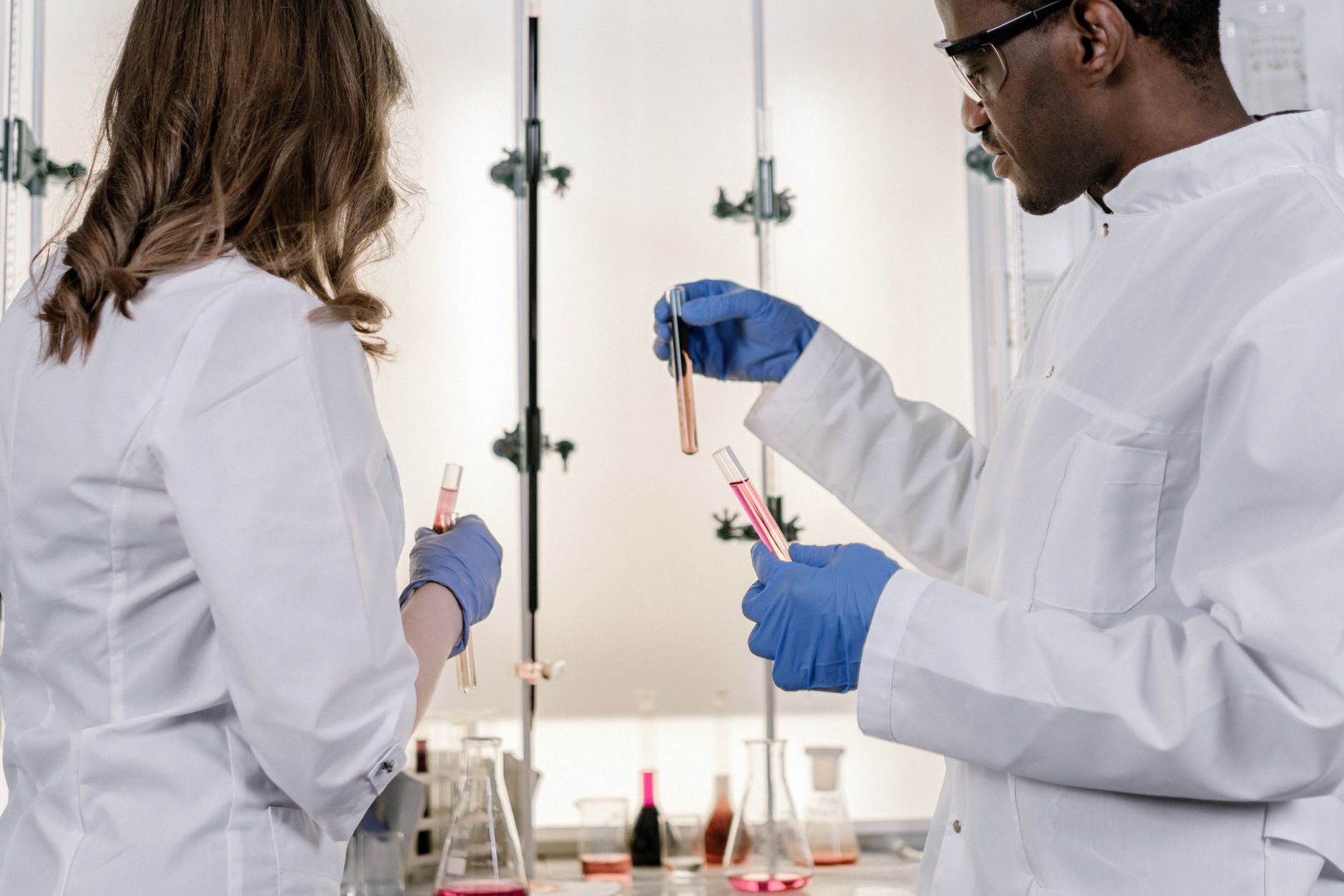
BPC-157 Peptide: Benefits, Healing, and Safe Use Guide
BPC-157 is a synthetic peptide fragment derived from a portion of Body Protective Compound (BPC), a protein identified in gastric juice. It is widely studied in preclinical research (including animal and in vitro models) for its observed effects on biological processes involved in tissue repair and inflammatory signaling. BPC-157 is not FDA-approved for medical use, and discussions of it should remain within the context of laboratory research rather than human treatment.
BPC-157 has drawn research interest because published studies have explored its interactions with pathways relevant to soft-tissue healing models, gastrointestinal mucosal models, and post-injury recovery paradigms in animals. This article summarizes proposed mechanisms studied in the literature, highlights key areas of investigation, outlines research-only safety considerations at a high level, and reviews sourcing and quality concepts relevant to laboratory work. For any health concerns, readers should consult a licensed healthcare provider.
Table of Contents
- Introduction to BPC-157 Peptide
- How BPC-157 Works in the Body
- Key Benefits of BPC-157 for Healing and Recovery
- Applications of BPC-157 in Fitness and Health
- Dosage and Safe Use Guidelines
- Risks and Side Effects to Consider
- Comparing BPC-157 to Other Popular Peptides
- Where to Source High-Quality BPC-157 Peptide
- Key Takeaways
- Frequently Asked Questions
Introduction to BPC-157 Peptide
BPC-157 is a lab-designed peptide fragment associated in the literature with the broader concept of “body protective compound” peptides described in gastric contexts. In scientific discussions, it is often categorized as an investigational peptide because its effects are explored in experimental systems focused on repair-associated biology (for example, angiogenesis signaling, connective-tissue models, and gastrointestinal mucosal models).
Research has evaluated BPC-157 in a range of non-human and laboratory settings, and some peer-reviewed papers indexed on PubMed discuss potential mechanisms that could plausibly influence cellular repair processes. However, these findings are preliminary and do not establish clinical efficacy or safety in humans.
> Note: BPC-157 is generally sold as a research chemical. It should be handled within appropriate laboratory, institutional, and regulatory frameworks. For personal medical questions, consult a licensed healthcare provider.
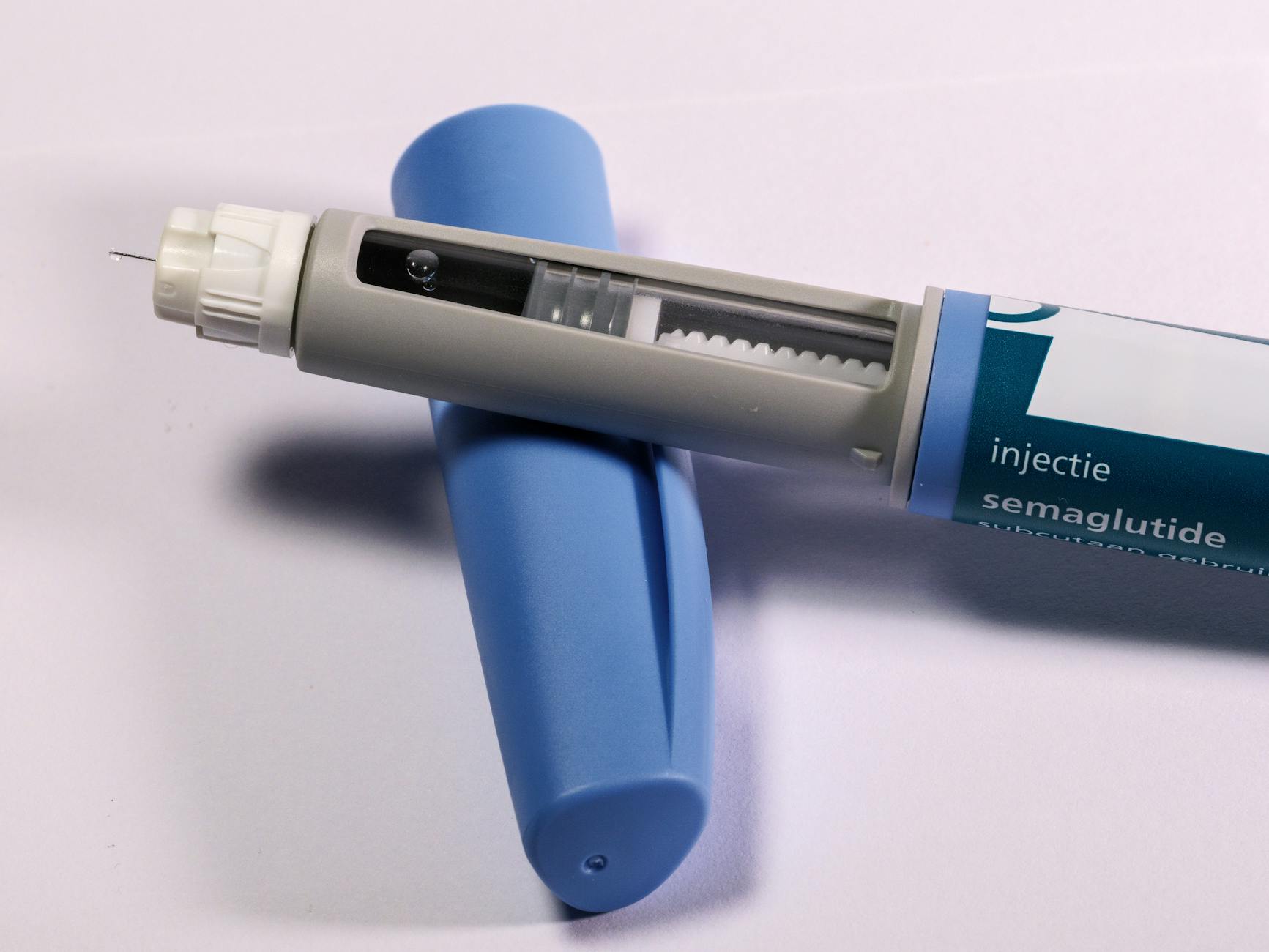
How BPC-157 Works in the Body
Preclinical research proposes that BPC-157 may interact with multiple pathways involved in injury response and tissue maintenance. A simplified summary of mechanisms commonly discussed in the literature includes:
These mechanisms remain under investigation, and translating results from animal models to human physiology is not straightforward.
Key Benefits of BPC-157 for Healing and Recovery
Within the limits of preclinical research, BPC-157 is most often discussed for observed effects in laboratory models related to repair biology and inflammatory signaling. Importantly, “benefits” here refers to outcomes reported in controlled experiments (often in animals), not proven health benefits for consumers.
Top Benefits Highlighted by Research:
- Wound and tissue repair models: Some studies report faster closure or improved histologic findings in controlled animal wound models.
- Tendon/ligament and muscle injury models: Research includes experimental designs evaluating healing-related markers and structural findings after induced injury.
- Gastrointestinal mucosa integrity models: Certain rodent studies report changes in ulcer indices or mucosal findings.
- Inflammation-associated biomarkers: Some papers report shifts in cytokine-related or oxidative-stress-associated measures in experimental settings.

Applications of BPC-157 in Fitness and Health
BPC-157 is sometimes discussed online in fitness and wellness contexts, but the strongest evidence base is primarily preclinical. A more accurate way to frame “applications” is as areas of scientific investigation rather than validated use cases.
As an example, after endurance-type stress in an animal model, inflammation and microtrauma can be quantified through biomarkers and histology; some investigators study whether peptides such as BPC-157 alter those experimental readouts. This does not mean it is appropriate or effective for human “post-exercise recovery,” and any personal health concerns should be discussed with a licensed healthcare provider.
Dosage and Safe Use Guidelines
BPC-157 is not approved for human consumption, and this article does not provide dosing, administration methods, or protocols for human use. Additionally, experimental parameters vary widely across studies (species, route, formulation, endpoints, and duration), so summarizing a “typical” dose for general readers can be misleading.
High-level, research-oriented considerations commonly used to evaluate study quality and laboratory handling include:
For any questions related to health decisions, readers should consult a licensed healthcare provider.
Risks and Side Effects to Consider
Because robust human clinical trial data are limited or absent in many contexts discussed online, safety conclusions for people cannot be drawn from preclinical studies alone. Experimental literature and anecdotal reports are not substitutes for controlled human safety data.
Known Experimental Side Effects:
- Some studies and nonclinical discussions note nonspecific effects (e.g., behavioral changes or physiologic variations) depending on model design.
- Local tissue reactions can occur in injection-based animal studies, though these are not directly generalizable to human risk.
- Hypersensitivity and off-target effects are theoretical concerns for many peptides and should be evaluated within controlled research frameworks.
Comparing BPC-157 to Other Popular Peptides
Peptides such as GHK-Cu, TB-500, and BPC-157 are sometimes grouped together in public discussions because they appear in studies related to repair-associated biology. However, they differ in structure, proposed mechanisms, and the quality/quantity of evidence available for specific experimental endpoints.
BPC-157 vs GHK-Cu:
- BPC-157: Commonly investigated in animal models involving connective tissue, gastrointestinal mucosa, and injury-response pathways.
- GHK-Cu: Frequently studied in contexts related to skin biology and extracellular matrix signaling. Read more about GHK-Cu here.
BPC-157 vs TB-500:
TB-500 (often discussed in relation to thymosin beta-4 fragments) is described in some research contexts as interacting with actin-related processes. Comparisons between peptides should be made cautiously: overlapping themes in marketing or online discussion do not necessarily reflect equivalent evidence quality, endpoints, or relevance to human outcomes.
Where to Source High-Quality BPC-157 Peptide
From a research quality perspective, supplier selection should be based on documentation and quality systems rather than marketing claims.
Not all suppliers adhere to stringent purity and quality standards. Look for labs providing:
> Evaluate documentation carefully (e.g., method, lab credentials, and lot-specific reporting). Standards such as ISO 9001 can indicate quality management processes, but they do not by themselves prove product suitability for any medical purpose.
Key Takeaways
- BPC-157 is primarily discussed in peer-reviewed literature through preclinical models involving tissue repair and inflammation-associated signaling.
- Evidence in humans is limited; animal and in vitro findings cannot be assumed to translate to clinical outcomes.
- Research quality depends on transparent methods, verified material characterization, and appropriate institutional oversight.
- For personal health questions, consult a licensed healthcare provider.
Frequently Asked Questions
What is BPC-157 derived from?
BPC-157 is a synthetic peptide fragment associated with Body Protective Compound (BPC), described in the literature in relation to gastric juice.Is BPC-157 approved for human use?
No. It is not FDA-approved for medical use and is typically sold for research purposes.Can BPC-157 be used to treat injuries?
Peer-reviewed studies report effects in controlled laboratory and animal injury models, but this does not establish that it treats injuries in humans. Anyone with an injury or medical concern should consult a licensed healthcare provider.How is BPC-157 administered?
Scientific papers use varying experimental methods depending on the model. This article does not provide administration instructions or protocols for human use.Where can I buy reliable BPC-157?
For laboratory work, evaluate suppliers based on documentation such as third-party analytical testing, lot traceability, and quality-system evidence (e.g., GMP where applicable), rather than promotional claims.
Conclusion
BPC-157 is an investigational peptide primarily examined in preclinical research models related to tissue repair biology and inflammation-associated pathways, including gastrointestinal mucosal models. While peer-reviewed studies describe notable findings in controlled experimental settings, these results do not establish safety or effectiveness in humans. Any medical questions should be discussed with a licensed healthcare provider, and any handling of BPC-157 should remain within appropriate research-only frameworks.