BPC-157 Buy Guide: How to Find Quality Suppliers Safely
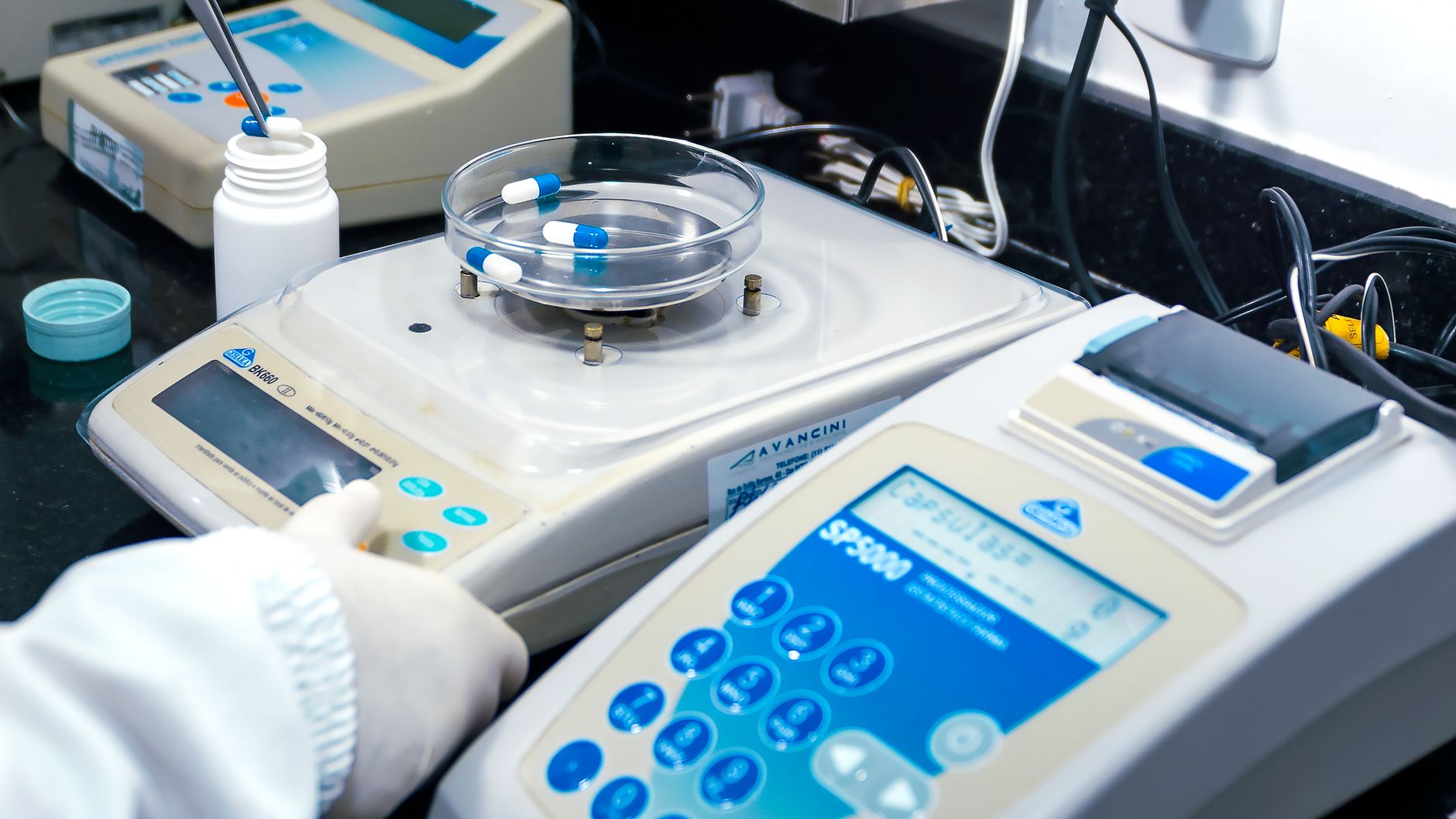
Why quality matters when buying BPC-157
Purchasing BPC-157 from a reliable source helps support product quality, authenticity, and consistent research documentation. Because peptides sold as BPC-157 may be marketed for laboratory investigation, buyers should be cautious about counterfeit, mislabeled, or contaminated materials, which can create safety concerns in handling and compromise experimental integrity.
If you're exploring where and how to buy BPC-157, this guide covers what to look for, practical ways to assess suppliers, and common steps used to verify identity and quality so you can make informed purchasing decisions.
Table of contents
- Why quality matters when buying BPC-157
- Understanding BPC-157: Benefits and uses
- Key factors to consider when purchasing BPC-157
- How to identify trusted sellers of BPC-157
- Comparing online vs. local suppliers: Pros and cons
- How to verify product authenticity and quality
- Frequently Asked Questions

Understanding BPC-157: Benefits and uses
BPC-157, short for Body Protection Compound 157, is a synthetic peptide that has been described in the scientific literature as derived from a protein found in gastric juice. Published studies have explored BPC-157 across multiple experimental models, but the overall evidence base is still developing, and findings in preclinical settings do not establish outcomes in humans.
Common research areas discussed in the literature for BPC-157 include:
- Tissue-related research: Early investigations have examined BPC-157 in experimental models related to tissue integrity and repair mechanisms.
- Inflammation-related pathways: Some studies evaluate how BPC-157 interacts with signaling pathways associated with inflammatory processes.
- Gastrointestinal research: Certain publications examine BPC-157 in models involving gastric mucosa and lesions.
_Pro Tip:_ In our experience, buyers who prioritize documentation and testing over low pricing are more likely to avoid issues such as impurities or mislabeled vials. Education is key when evaluating research materials.
Key factors to consider when purchasing BPC-157
When it comes to buying BPC-157, prioritizing quality documentation and transparency is critical. Here are the top factors to evaluate:
By balancing these considerations, you reduce the likelihood of purchasing counterfeit or contaminated products that could compromise research integrity.

How to identify trusted sellers of BPC-157
Finding reputable suppliers is essential to obtaining authentic and well-documented BPC-157. These steps can help when screening vendors:
When comparing vendors, treat steep discounts or vague product descriptions as signals to ask more questions and require stronger documentation.
Comparing online vs. local suppliers: Pros and cons
Online suppliers:
- Pros:
- Cons:
Local suppliers:
- Pros:
- Cons:
Ultimately, online purchasing may be more convenient for many buyers, but only if the vendor’s testing, documentation, and handling standards can be verified.
How to verify product authenticity and quality
Before finalizing your purchase, these are common verification steps used in laboratory purchasing workflows:
> Pro Tip: If a seller cites survey data or purity-failure rates, ask for the underlying source and methodology. Without a verifiable, credible citation, such figures should not be treated as established evidence.
Key takeaways
- BPC-157 is discussed in scientific research, but findings from experimental models do not establish outcomes in humans; source quality and documentation matter.
- Prioritize transparency, third-party testing, and supplier reputation to help support research integrity and reduce the risk of counterfeit or contaminated materials.
- Consider both online and local suppliers, but verify authenticity (lot-matched COAs, labeling, and—when appropriate—independent testing) before purchasing.
Frequently Asked Questions
What is the ideal purity level for BPC-157?
Many research buyers look for high stated purity on a lot-matched COA. More broadly, credibility of the test methods, traceability to the specific batch, and access to complete documentation are key for research reliability.Can I buy BPC-157 legally in the USA?
BPC-157 is commonly sold in the U.S. as a research material. Legal status and allowable marketing claims can vary by jurisdiction and intended use, and it is not approved for medical use. For personal health questions, consult a licensed healthcare provider.How do I know if a supplier is reputable?
Reputable suppliers typically provide third-party Certificates of Analysis that match the lot number, describe test methods, and maintain consistent labeling, storage, and shipping practices. Independent verification and a track record of responsive support are also useful signals.Are there side effects to using BPC-157?
This article discusses BPC-157 only in the context of research materials. Human safety, effects, and risks are not established for consumer use. For any medical concerns, consult a licensed healthcare provider.Should I buy from online platforms or local stores?
Online sources may offer more options and easier access to documentation, while local purchasing can allow in-person inspection. In either case, prioritize verifiable testing, lot traceability, and clear “research use only” labeling.
Conclusion
Buying BPC-157 requires careful evaluation of supplier transparency and quality documentation. By focusing on third-party testing, lot traceability, clear labeling, and reliable storage/shipping practices, you can reduce the risk of counterfeit or poorly documented materials that may undermine research outcomes. For any personal medical decisions or health concerns, consult a licensed healthcare provider.